Cape Coast’s Forgotten Dead: The Neglected 1824 War Cemetery and Why It Matters
Cape Coast’s Forgotten Dead: The Neglected 1824 War Cemetery and Why It Matters - By TravelNews Ghana-Net
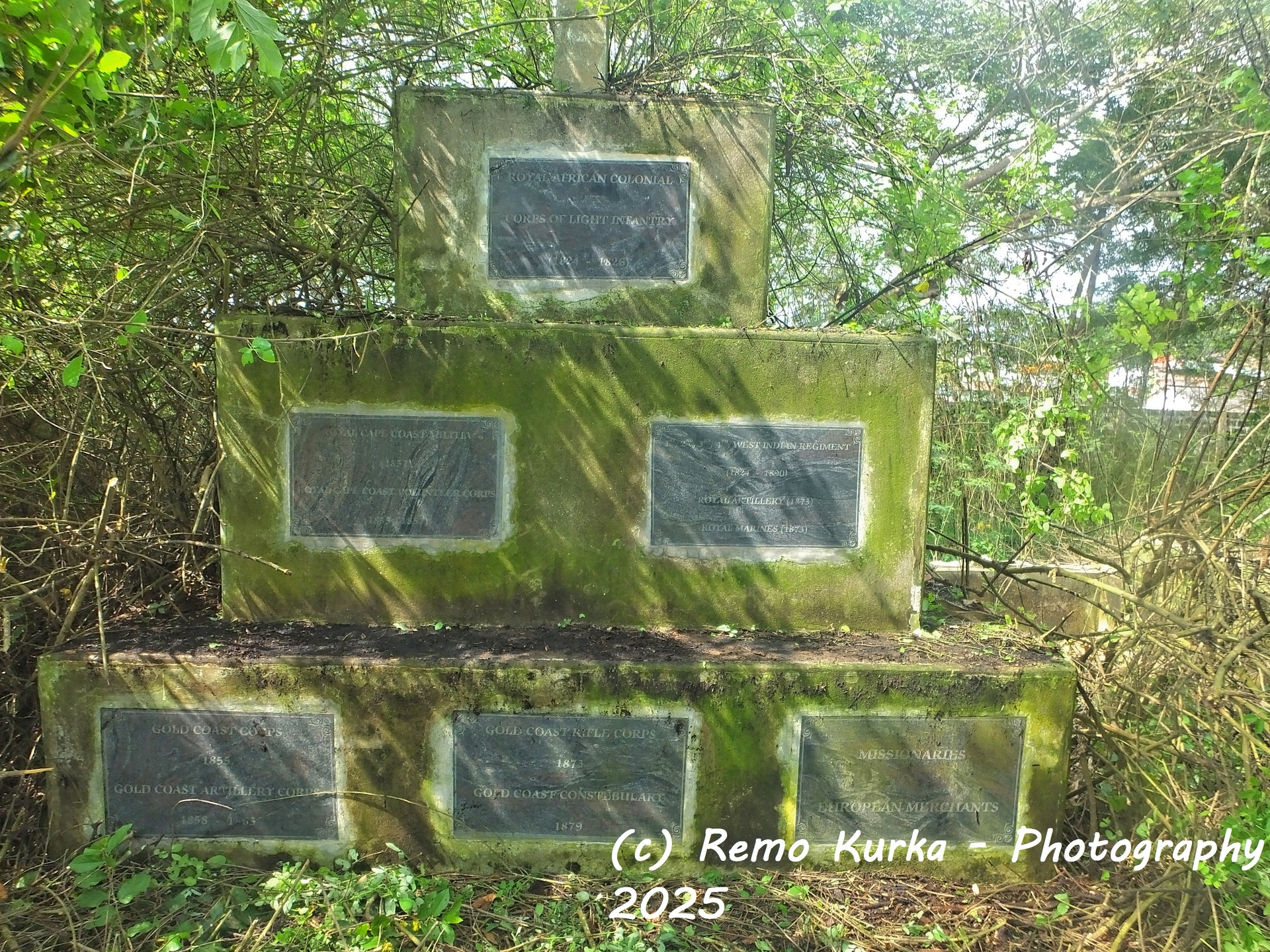
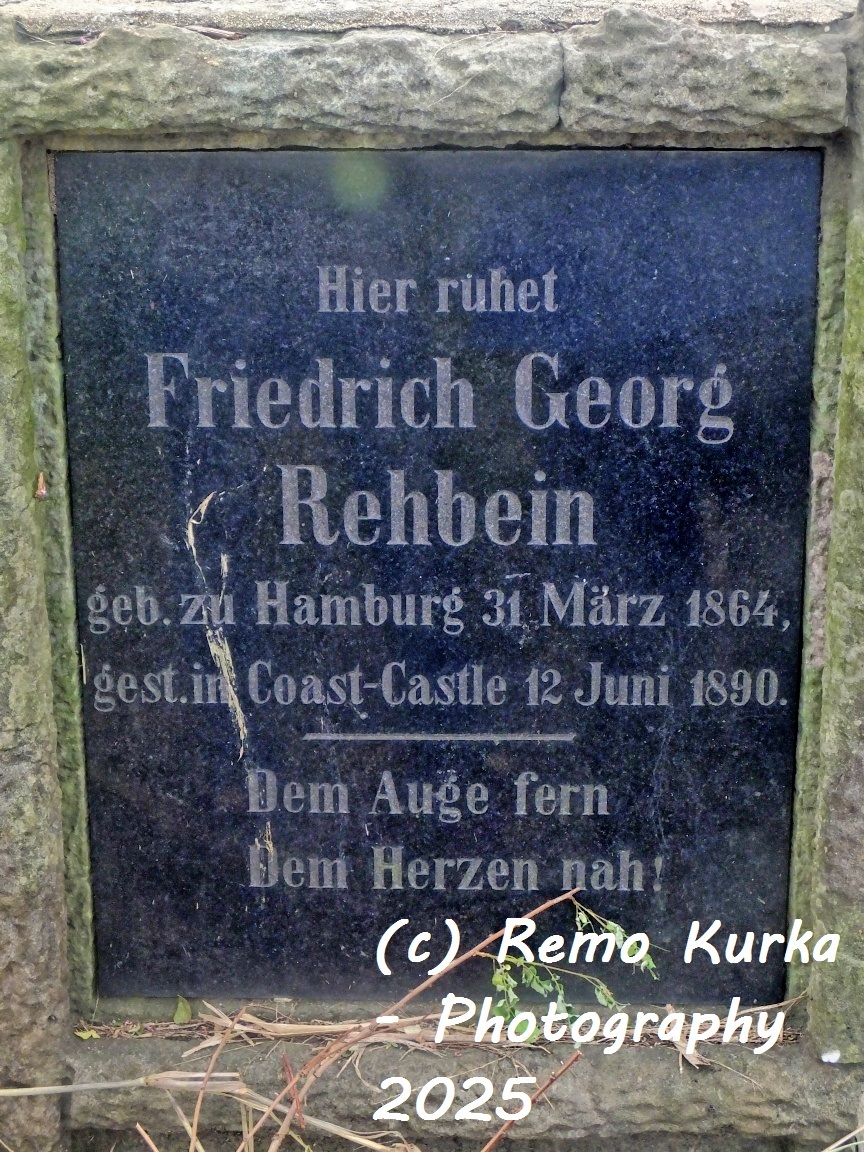
In the heart of Cape Coast — a city celebrated for its castles, classrooms, and coastal beauty — lies a forgotten graveyard quietly decaying under the tropical sun. The 1824 War Cemetery, the resting place of British colonial troops, European traders, German settlers, and Irish nuns who lived and died along Ghana’s coast, has fallen into heartbreaking neglect.
Overgrown weeds now swallow the headstones, while weather-worn crosses tilt helplessly in the sand. The site, managed under the Ghana Museums and Monuments Board (GMMB), stands as a ghostly reminder of a past Ghana has half remembered — and half erased.
A Cemetery Born of Conflict and Empire
This small cemetery dates back to the aftermath of the Anglo–Ashanti conflict of 1824, one of the earliest major military engagements between the British colonial forces and the Ashanti Kingdom. Cape Coast was then the British administrative and military stronghold on the Gold Coast, and the cemetery served as a burial ground for those who succumbed to war, tropical disease, and hardship.
Among the graves were British soldiers, colonial officers, European merchants, and Irish Catholic nuns who journeyed to the Gold Coast to serve in missions, trade, and governance. Their lives — and deaths — form part of the complex fabric of Ghana’s colonial history, linking local narratives to the broader currents of empire, faith, and global trade.
https://warcemetery.capecoastcastle.com All photos: (c) Remo Kurka 2025
A Historic Site in Ruins
Today, however, this important historical site has been nearly erased from public consciousness. The 1824 War Cemetery is in a dire state of disrepair.
Cracked headstones, faded inscriptions, and encroaching weeds have all but hidden what was once a solemn place of remembrance. The grounds are unkempt, with no signage to guide visitors, no markers to explain its significance, and no protective fencing to preserve its dignity.
The Ghana Museums and Monuments Board (GMMB) — responsible for safeguarding national heritage — has been unable to maintain the site due to chronic underfunding and lack of public engagement. Meanwhile, Cape Coast’s booming tourism industry continues to focus almost exclusively on the slave castles, leaving other historical layers of the city’s past to crumble in silence.
Why the 1824 War Cemetery Still Matters
This forgotten cemetery deserves attention not for nostalgia, but for context. It represents a crucial chapter in the global story of colonial expansion, missionary work, and the human cost of empire. Preserving it would achieve several vital goals:
Historical Continuity:
It provides a tangible link to the early 19th century, allowing Ghanaians and visitors to explore a rarely discussed part of Cape Coast’s past — one that includes not only slavery and resistance but also health crises, war casualties, and the daily realities of colonial life.Educational Heritage:
Schools and universities could use the cemetery as a teaching site to broaden understanding of Ghana’s colonial era, connecting the dots between European presence, African resistance, and the global politics of the time.Cultural and Historical Tourism:
Restoring and interpreting the cemetery could diversify Cape Coast’s tourism portfolio, attracting researchers, descendants, and travelers interested in war history and heritage beyond the castles.Moral Responsibility:
Regardless of nationality or race, those buried here were part of Ghana’s early contact history. To preserve their resting place is to acknowledge the full, complex story of Cape Coast — not just the triumphant or tragic parts.
Neglect by GMMB — A National Failure
The GMMB’s continued neglect of this site is part of a wider pattern affecting many smaller heritage spaces across Ghana. While resources are understandably stretched, the near-abandonment of a site as old and historically rich as the 1824 War Cemetery speaks to a troubling complacency.
Heritage protection must go beyond token gestures at the country’s most famous landmarks. True preservation demands that every site, no matter how uncomfortable or colonial its origins, be treated as part of the national narrative.
Bringing the Forgotten Cemetery Back to the Spotlight
Restoring the 1824 War Cemetery would not only honour the memory of those who rest there, but also strengthen Cape Coast’s position as Ghana’s historical capital.
With modest funding, community partnerships, and interpretive signage, the cemetery could be transformed into a place of reflection, education, and historical insight — much like the Commonwealth War Cemeteries that dot the world.
To forget it entirely would be to let an entire chapter of history sink into the soil.
A Final Reflection
The 1824 War Cemetery is more than a colonial relic. It is a mirror reflecting Ghana’s early encounters with Europe — a story of ambition, faith, and mortality at the edge of empire. Its neglect is not just a failure of preservation, but a failure of memory.
If Ghana aspires to tell a complete story of its past, it must look beyond the grand forts and tourist trails and rescue the quieter places where history still sleeps.
Ghana-Net.com Website