Damba Festival: Northern Drums & Horse Heroes Tamale's High-Octane Cultural Adventure in September
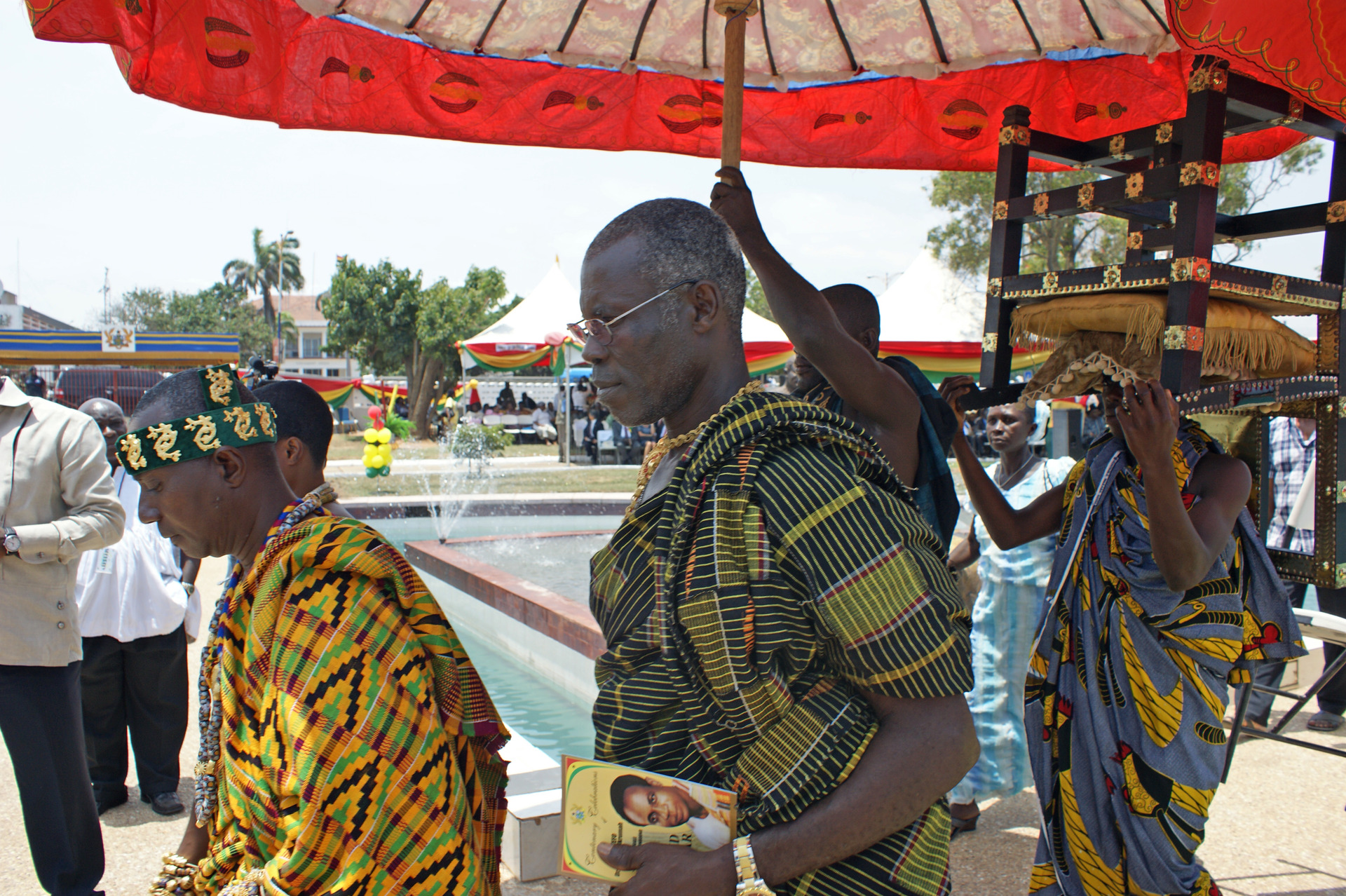
Damba Festival: Northern Drums & Horse Heroes By TravelNews Ghana-Net
Tamale's High-Octane Cultural Adventure in September
WHEN TO GO: SEPTEMBER IN TAMALE
Each September, Ghana’s Northern Region erupts into a full-blown spectacle of galloping stallions, echoing drums, and centuries-old royal rituals. Welcome to the Damba Festival — where history charges in on horseback and the beat of tradition thunders through the streets of Tamale and Yendi.
If you’ve hit the beaches of Cape Coast or the shrines of Kumasi, but still crave high-stakes heritage, Damba fills the gap. It's a Northern Ghana adrenaline trip—fierce, proud, and pulsing with warrior energy.
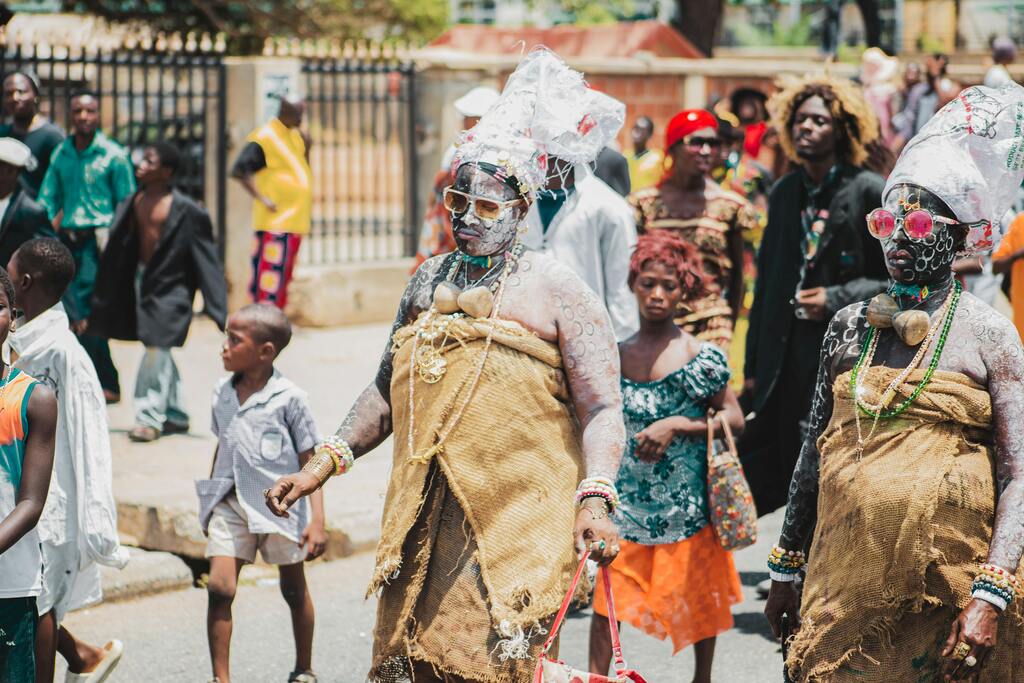
Ghana Festival, also of fun!
HOW TO GET THERE: ACCRA TO TAMALE, THEN MOTO READY
By Air:
The fastest way up north is a 1-hour domestic flight from Accra to Tamale Airport. Flights typically run daily via local carriers like PassionAir. Once you land, the real ride begins.
On the Ground:
Want to feel the dust and drumbeat up close? Rent a moto locally — it’s the fastest (and most thrilling) way to weave through Tamale during Damba week. Look for trusted local rentals around the airport and city center.
🚨 Tip: Bring a dust mask or bandana — between the motorbikes and horse displays, Tamale turns into a powdery haze by afternoon.
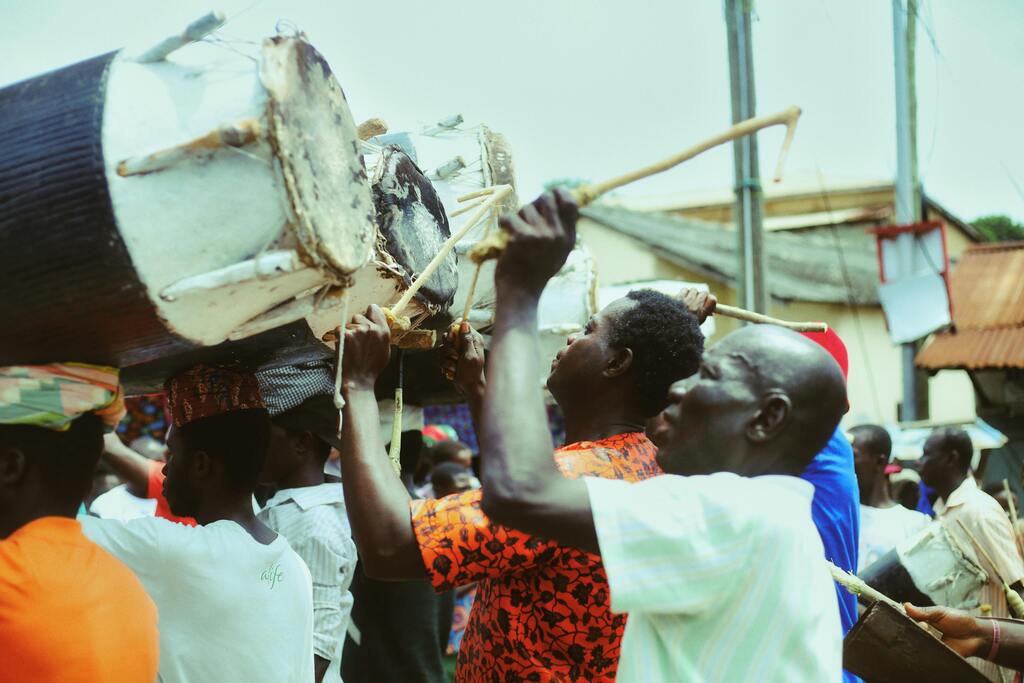
Ghana Festivals
WHAT IS DAMBA, REALLY?
Though Damba is often linked to the birth of the Prophet Muhammad, its modern form is less religious, more regal. At its core, Damba celebrates kingship, power, and ancestral pride across the Dagomba, Gonja, and Mamprusi people.
Expect three days of escalating ceremony: starting with traditional drumming and prayers, building into chief enskinment rituals, and culminating in a jaw-dropping horse procession that turns city squares into open arenas.
FESTIVAL HIGHLIGHTS
1. HORSE PARADES & RIDING DISPLAYS
Chiefs and warriors charge into town on ornately decorated horses, showing off speed, agility, and pure royal flair. You’ll witness daredevil riders — sometimes young teens — pulling acrobatic stunts that would make any rodeo blush.
Pro Tip: Best viewing spots are near the Old Palace in Yendi or Daboya Road in Tamale. Arrive early and bring a camera with zoom.
2. DRUMMING THAT POSSESSES THE AIR
Drums are not just instruments — they speak, summon, and celebrate. Each clan has its own pattern, often passed down orally for generations. During Damba, master drummers battle for attention, turning public squares into rhythmic battlegrounds.
✋ Want in on the action? Book a half-day “Drum Workshop” with a local percussionist — a perfect adventure add-on for rhythm-hungry travelers.
3. GONJA WARRIOR DANCE & SPIRITUAL CHANTS
The Gonja displays bring out the old warrior class, decked in traditional smocks, wielding wooden rifles and ceremonial sabres. They perform choreographed chants and war dances that blend historical reenactment with ritual invocation.
Don’t be surprised if you feel shivers — many believe these dances channel ancestral warriors.
WHY IT POPS: ADVENTURE IN THE NORTH
Damba isn’t just a culture trip — it’s Northern Ghana’s answer to an action festival. It hits every thrill-seeker’s checklist:
Live animals? ✅
Thunderous drumming? ✅
Crowds on fire with energy? ✅
A clear sense of purpose and pride? ✅✅✅
For travelers used to Southern Ghana’s coastal calm, Tamale delivers a welcome jolt — raw, real, and unforgettable.
CULTURAL CONTEXT: THE DRUM IS THE HEART
In Dagomba culture, drums are not just percussive tools — they hold memory. Each beat pattern can signal a chief’s lineage, a battle won, or even a birth. Before and after Damba, locals hold mini drum performances in compounds, telling stories through rhythm.
Want deeper access? Ask your guesthouse or local guide to connect you with a drum family — many are happy to host informal sessions for respectful visitors.
PRACTICAL TIPS FOR DAMBA ADVENTURE
Arrival Time: Best to land in Tamale at least 3 days before the final horse procession to soak in the full build-up.
Stay Cool: Northern Ghana is hotter and drier — pack light clothes, sunscreen, and lots of hydration powder.
Cash Is King: Mobile money is widespread, but for rentals, food, and festival stalls, carry cash.
Stay Local: Lodges and homestays near Choggu or Lamashegu offer immersive access without being deep in the frenzy.
Travel Light: The festival is on your feet or on your moto. Avoid bulky backpacks. Think mobility.
FUTURE-PROOF YOUR FESTIVAL PLANS
Dates can shift depending on the Islamic lunar calendar, so if you're planning ahead for 2026, stay tuned to regional announcements around late August or early September. Damba’s peak typically falls around the third weekend of September.
ONE MORE DETOUR: THE SAVANNAH ESCAPE
Got extra time? Head southwest to Mole National Park (about 3–4 hours from Tamale). It’s the perfect post-festival decompression: elephants at sunrise, cool forest hikes, and panoramic eco-lodges overlooking Ghana’s northern wilderness.
FINAL BEAT: COME FOR THE DRUMS, STAY FOR THE PEOPLE
Damba isn’t tourist-made. It’s not polished. It’s real. From warrior dances that stir your blood to local families handing out spicy jollof and guinea fowl stew, the experience is visceral and welcoming.
For those hungry for culture you can feel, horses you can hear, and music you can move to, Damba is your call north.
(What hidden gem has your indie guide unearthed for you? Drop it in the comments—let's map Ghana together!