⚓ Field Notes from Sekondi: The Disheartening Reality of Fort Orange
⚓ Field Notes from Sekondi: The Disheartening Reality of Fort Orange By TravelNews Ghana-Net
I have long been fascinated by the old European forts that dot Ghana’s coastline — solemn witnesses to the tides of empire, trade, and human tragedy. So, when my research path led westward, I was eager to finally see Fort Orange in Sekondi, one of the earliest Dutch establishments in the region.
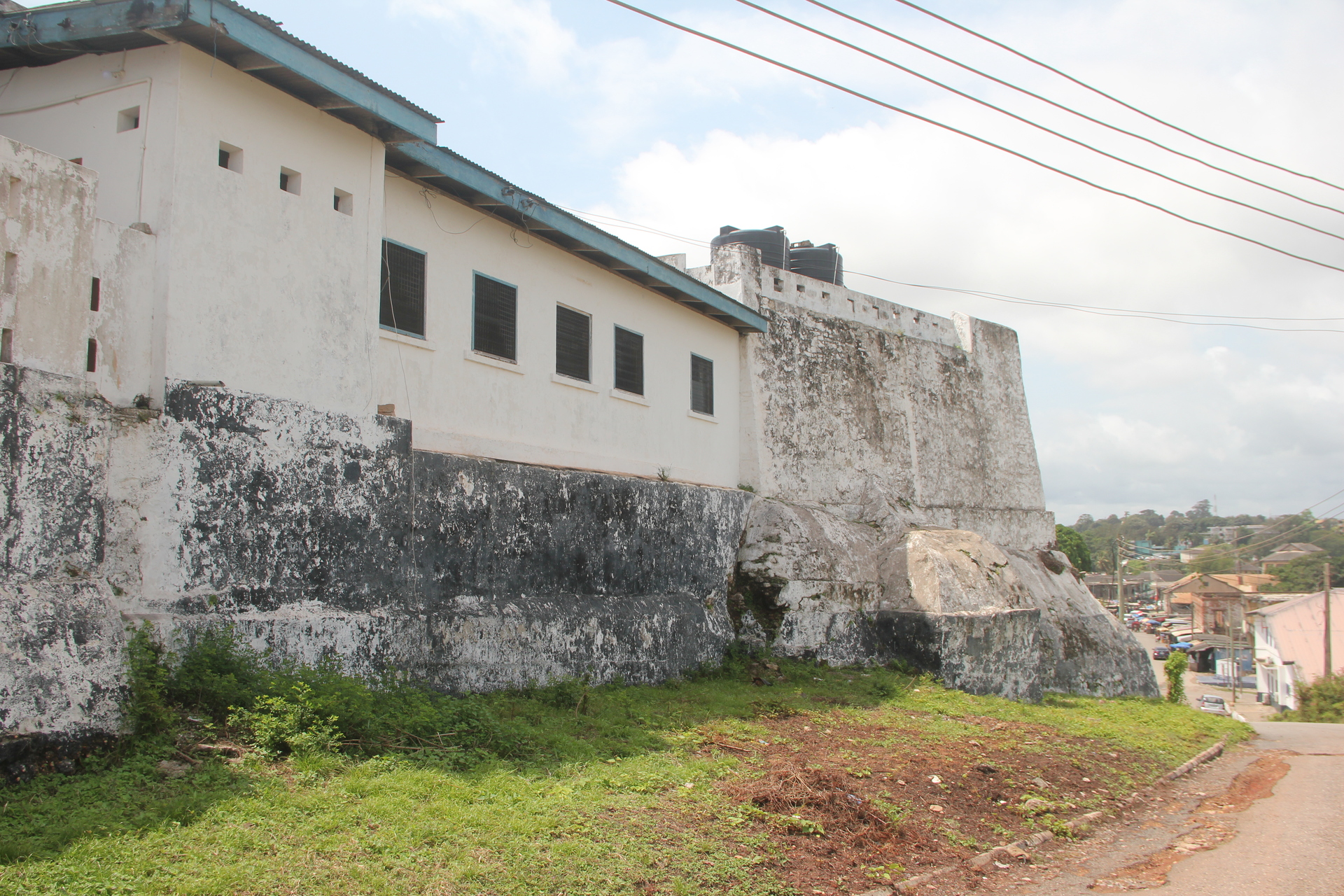
Built in 1642, it once guarded a busy harbor and stood as a symbol of maritime power. Today, however, what I found there was less a monument of memory than a structure gasping for relevance — neglected, misunderstood, and strangely unwelcome.
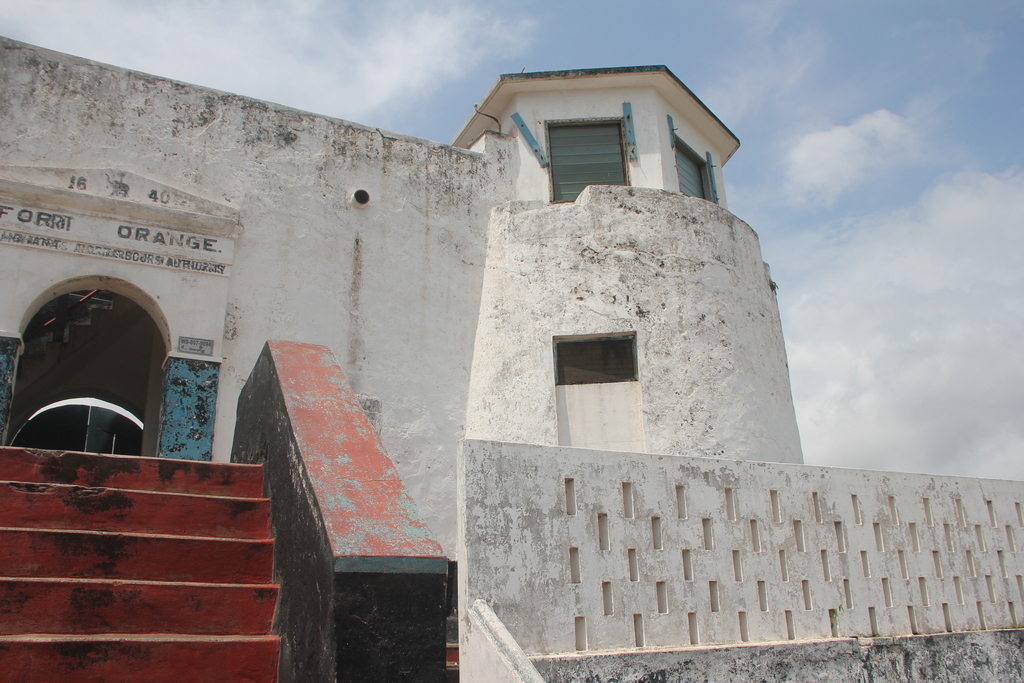
A crumbling Fort Orange, combined with ignorance and arrogance.
The Road to Sekondi
Reaching Sekondi is, in itself, a test of endurance. The drive westward from Accra — through Kasoa, Cape Coast, Elmina, and Takoradi — is pockmarked with endless roadworks and detours. What should have been a scenic, historic route felt instead like a gauntlet of dust and confusion.
By the time I arrived in Sekondi, my excitement had already dimmed. The old town, once an elegant colonial enclave, now shows deep signs of decay. The air smells faintly of salt and diesel. The streets crumble underfoot. And somewhere beyond the fishing boats and corrugated rooftops, the weathered silhouette of Fort Orange peers down like a weary sentinel.
A Fortress Forgotten
I approached expecting to find plaques, guides, perhaps even a modest museum exhibit. Instead, the entrance felt deserted — almost secretive. The walls, once blindingly white, are now stained and eroded by sea air. Rust streaks down the sides of the old bastions. A lighthouse still functions atop the structure, but everything else feels abandoned to time.
Inside, the experience is even bleaker. There are no interpretive signs, no brochures, no historical context at all — only the hollow echo of footsteps on stone. I stood there, notebook in hand, trying to imagine the Dutch merchants, soldiers, and enslaved Africans who once filled this place with life and pain. But without guidance, it’s hard to feel connected; history seems to have withdrawn into silence.
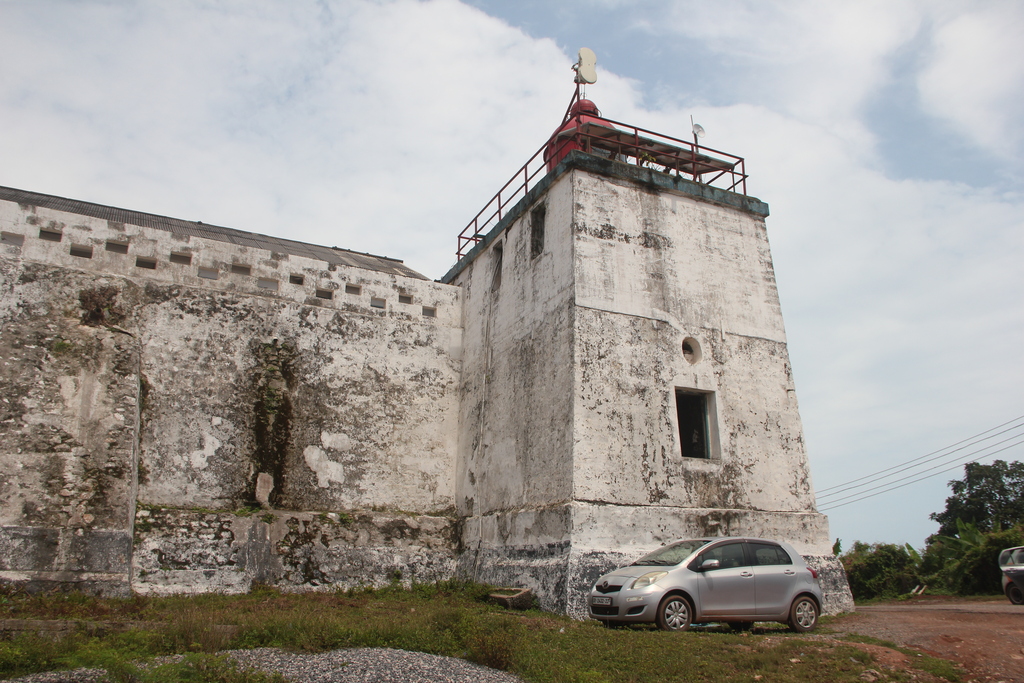
Fort Orange, Secondi. Forgotten due to ignorance and arrogance of GMMB (Ghana Museums and Monuments Board
Tension about the Harbor Photos
As I moved to take a few photos for documentation, I was met with shouts from below — some guys near the harbor waving and yelling, “No photos!” Their tone was sharp, almost hostile. I lowered my camera.
At the gate, the caretaker appeared — a lean man with wary eyes and an expression carved somewhere between suspicion and fatigue. He didn’t greet us. He simply watched, arms crossed, as though weighing our purpose before we’d even spoken.
I stepped forward and asked, as evenly as I could, whether photography was allowed, or if there was any information about the fort’s history. He barely looked at me.
“Management orders,” he muttered, voice flat. Then he turned and began to walk away.
We lingered a moment, uneasy, and took a few cautious shots of the weathered courtyard. The sound of the waves crashed faintly below — the only sound, until he spun back toward us, phone pressed to his ear. His tone was sharp now, defensive. He was calling GMMB — his superior — and though we could hear the other end clearly, the response came through loud enough to slice the silence.
“No! You need permission! We don’t permit photos on this site!”
The words echoed against the old stone walls, louder than they should have. The caretaker lowered the phone but said nothing. He just stood there, staring, as if daring us to argue.
A strange heaviness settled over the place — the kind that makes you aware of your own voice, your own footsteps. The fort, the sea, even the wind seemed to withdraw into themselves.
It is rare, almost unheard of, to feel unwelcome at a Ghanaian heritage site. But here, that warmth was missing. Fort Orange did not greet its visitors. It watched them, silently, until they left.
And so we did — unwelcome, uninformed, and a little shaken — leaving behind the fortress that once guarded the sea, now guarding only its secrets.
Paying for Silence
Despite the neglect, Fort Orange charges the standard Ghana Museums and Monuments Board (GMMB) entrance fees — ranging from GH₵20 for Ghanaians to GH₵80 for foreigners. Yet there are no receipts, no improvements, and certainly no sense that the funds are being reinvested in preservation.
For a place of such historical weight, this feels like a quiet tragedy — a relic being drained of meaning, one ticket at a time.
Reflections
Ghana’s coastal forts are not just tourist attractions; they are testimonies to centuries of human interaction — brutal, complex, and world-changing. To see one fall into such disregard is to watch history fade in real time.
We left Fort Orange that afternoon with a heavy heart. It deserves restoration, not ruin; context, not confusion. For now, though, it remains a monument in silence — guarded by rust, rumor, ignorance, arrogance and resentment.
A Note for Fellow Travelers
If you are tracing Ghana’s coastal heritage, We recommend visiting Fort William at Anamabo or Fort Amsterdam. More welcoming, even as neglect as well. Or, you just visit the usual Elmina Castle, Cape Coast Castle, or Fort St. Jago instead. These sites are far better preserved, with knowledgeable guides and a genuine sense of respect for history.
Fort Orange, sadly, feels like an afterthought — an important story left untold.
(What hidden gem has your indie guide unearthed for you? Drop it in the comments—let's map Ghana together!
Fort Orange Website