Forts, Forgotten Graves, and Fading Glory: Ghana’s Coastal Castles Offer Raw History and Rugged Beauty
Forts, Forgotten Graves, and Fading Glory: Ghana’s Coastal Castles Offer Raw History and Rugged Beauty
Ghana’s coastline is dotted with centuries-old forts and castles—some UNESCO-listed, others barely hanging on. While Cape Coast and Elmina Castles draw the crowds, it’s the lesser-known sites like Fort William in Anomabu and Fort Komenda that offer a deeper, grittier dive into the country’s colonial past. These structures aren’t just relics—they’re living witnesses to trade, war, and resistance. And for travelers willing to veer off the polished path, they deliver unmatched views, haunting stories, and a chance to document history before it slips away.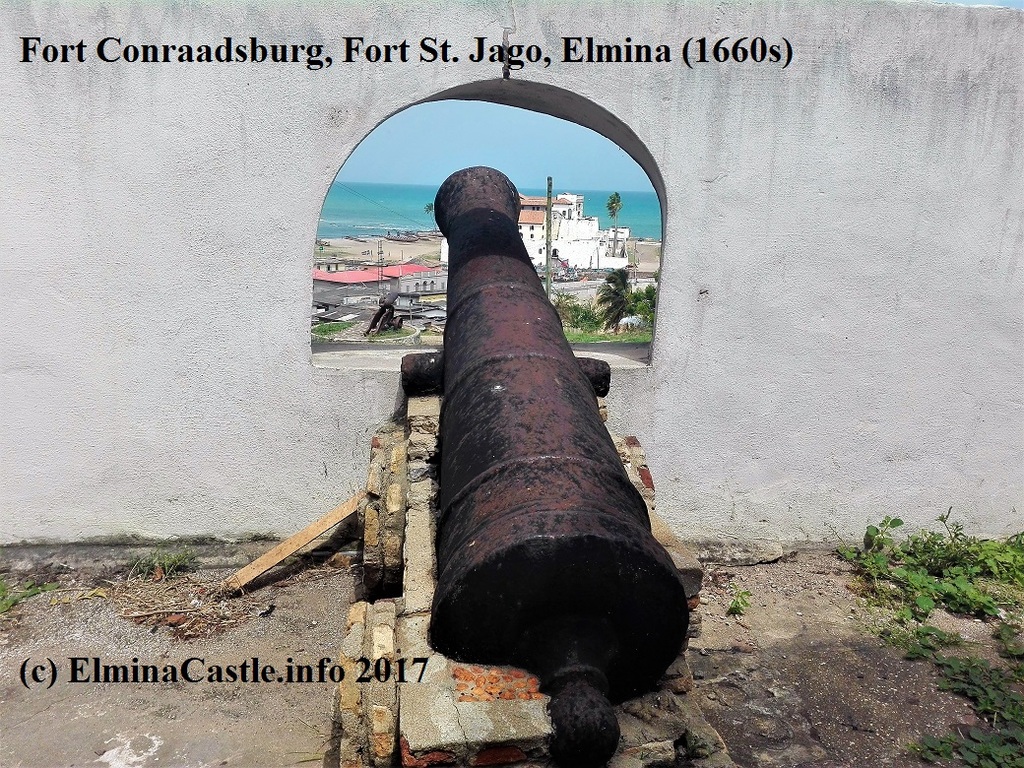
Dutch build top hill Fort St Jago, Elmina
Fort William, Anomabu: The Overlooked Powerhouse
Built in 1753 by the British, Fort William was once a key node in the transatlantic slave trade. Its stone ramparts, carved from local materials, still stand defiantly against the Atlantic winds. After the abolition era, it pivoted into a garrison during the 1824 Anglo-Ashanti War, serving as a supply post during the chaos that followed the Battle of Nsamankow.Today, the fort feels untouched—no ticket booths, no tour guides, just raw stone and sea spray. Visitors can climb the ramparts for sweeping views and explore the cells and cannons that whisper of its violent past. Locals lament its neglect since being handed over to the Ghana Museums and Monuments Board (GMMB), with no active restoration or maintenance. But for photographers and history buffs, that very abandonment adds to its eerie allure.
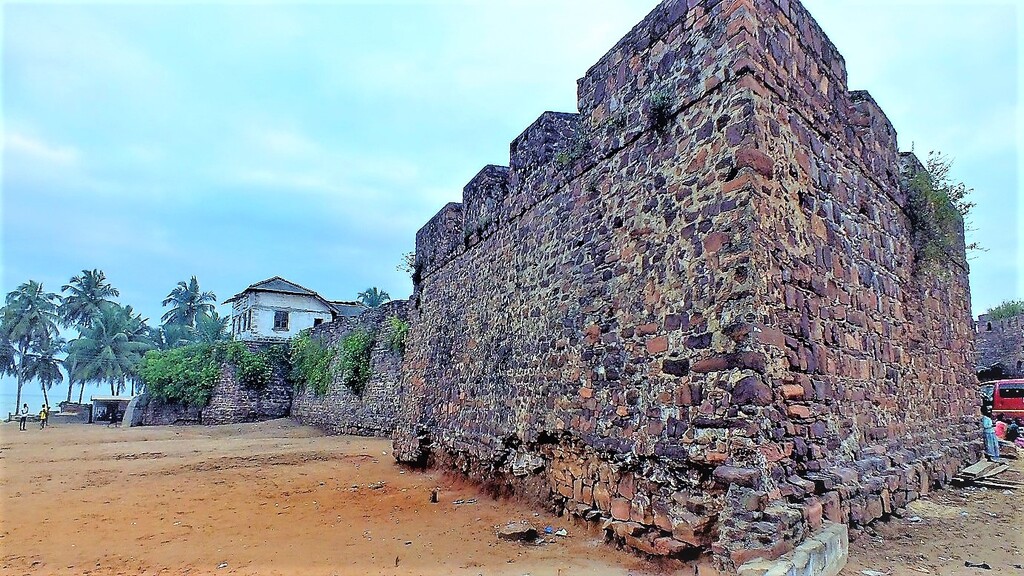
Brtish Fort Komenda, Komenda (c) Remo Kurka
Fort Komenda: The Dutch Underdog
Just west of Elmina, you find Komenda, a fishing village. What many visitors miss is that Komenda actually hosts two distinct forts: the British Fort Komenda, still standing with —this red-brick sentinel features bastions, trade ledgers. and relatively intact structure, and the Dutch Fort Komenda, located a bit farther away and nearly invisible amid coastal wear. Built by the Dutch in 1695—reportedly over Easter weekend, which earned it the nickname “Good Friday Fort”A Fort and a mini-museum that often goes unnoticed.
In contrast to Elmina Castle's polished tours, Komenda offers a more intimate and lived-in experience. Children play nearby, fishermen haul in their nets below, and the fort itself bears the marks of age. A wall collapsed in 2021 due to coastal erosion, and while calls for restoration resonate through local channels, the site largely remains in ruins. Nevertheless, its authenticity makes it a compelling stop for those seeking history without the sheen.
Fort Amsterdam, Saltpond: Hilltop History
Perched on a 100-foot hill in Abandze near Saltpond, Fort Amsterdam is one of Ghana’s oldest forts. Originally built by the Portuguese and later seized by the Dutch in 1665, it offers panoramic ocean views and a steep climb that rewards with barracks, governor’s quarters, and a museum tracing slave routes.
The fort’s strategic location and architectural layers make it a standout, but like its siblings, it suffers from limited upkeep. Entry fees help fund basic maintenance, but erosion and budget constraints continue to threaten its longevity.
Fort St. Jago, Elmina: The Overlord on the Hill
Built by the Dutch in 1637 to bombard Elmina Castle below, Fort St. Jago is a strategic masterpiece. Its elevated perch offers commanding views of the coast and the town, and its role in colonial warfare is well documented. Yet despite its UNESCO status, it’s fading into obscurity.
No major restoration projects are planned for 2025, and official neglect pose a quiet but persistent threat. For visitors, it’s a chance to stand where cannons once roared and imagine the siege that reshaped the region.
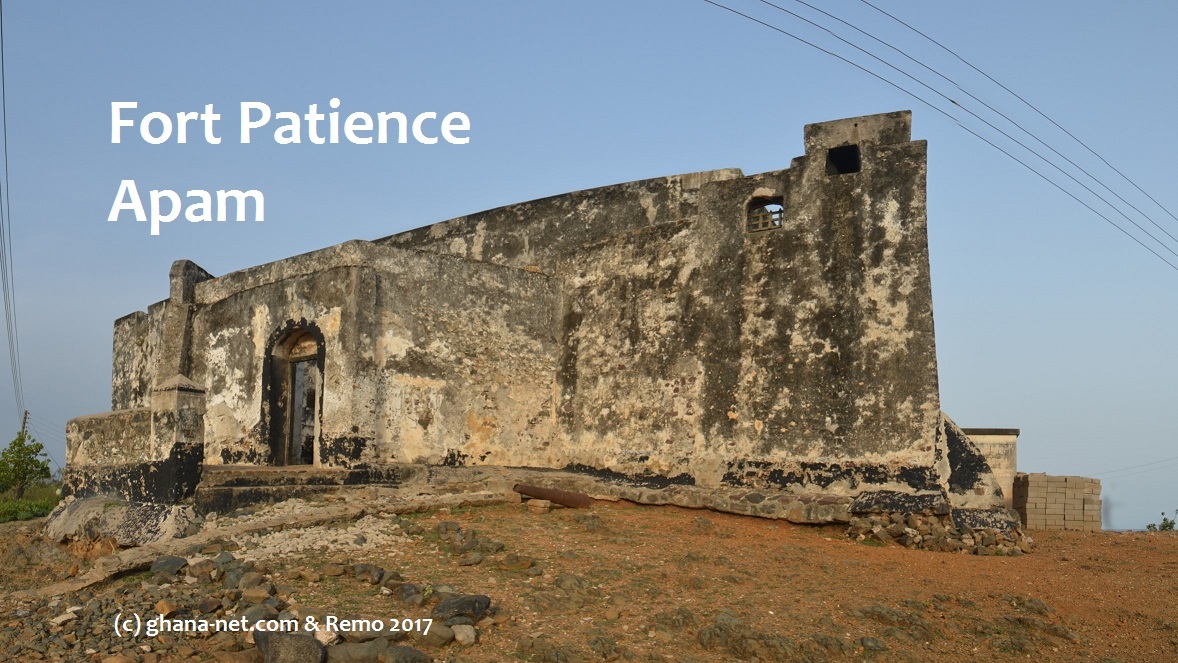
Fort Patience, Apam: The Decaying Sentinel
Fort Patience—also known by its Dutch name Lijdzaamheid—sits on a dramatic promontory in Apam. Built in the late 1600s, it was meant to be a symbol of endurance. Today, that symbolism feels ironic. The structure is a mix of preserved sections and crumbling walls, with little tourist traffic and even less funding.
Its remote location and haunting silhouette make it a photographer’s dream, but also a stark reminder of how history can slip through the cracks when preservation falters.
Why Visit Now?
These forts aren’t just historical sites—they’re endangered archives. With erosion, funding gaps, and limited public attention, many are at risk of disappearing. Visiting now means capturing their stories while they still stand. Whether you're documenting the weathered stones, tracing colonial footprints, or simply soaking in the sea views, Ghana’s coastal forts offer a raw, unfiltered connection to the past.
So skip the crowds. Grab your gear. And let the forts speak.