NKMP’s GH¢30M Facelift: Where the Cedis Landed—and Why Ghana’s Forts Are Still Crumbling
10/15/2025
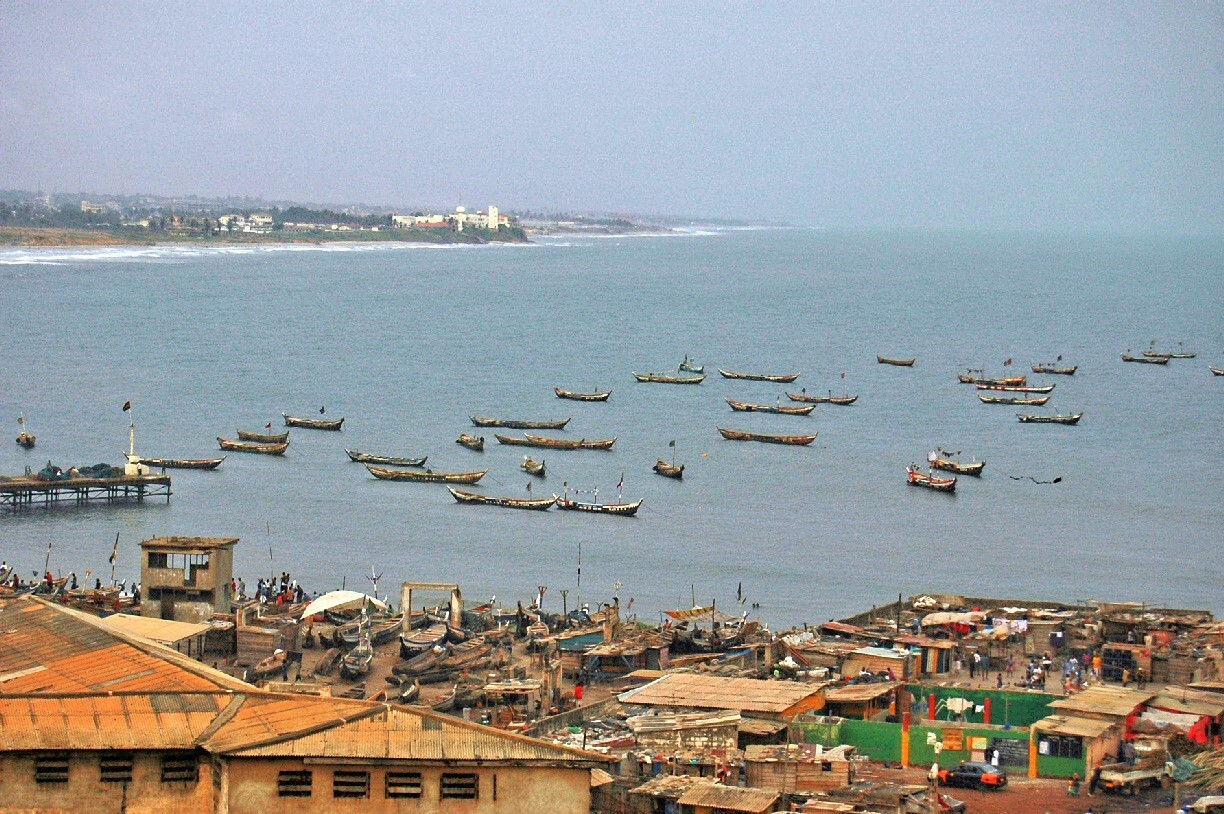
NKMP’s GH¢30M Facelift: Where the Cedis Landed—and Why Ghana’s Forts Are Still Crumbling By TravelNews Ghana-Net
The Shine in Accra, the Shadows on the CoastKwame Nkrumah Memorial Park (KNMP) reopened with fanfare—gleaming gardens, polished mausoleum, and a ticket gate raking in GH¢1 million a month. But behind the glossy finish lies a murky money trail. The renovation, pegged at GH¢30 million (~$3 million), was funded through a World Bank-backed GTDP loan. And while the cameras rolled, Ghana’s coastal forts—Komenda, St. Jago, Patience—continued to rot in silence.
So where did the money go? Let’s follow the crumbs.
Core Civil Works: GH¢21–24M (70–80%)
This was the heavy lifting: demolitions, structural repairs, landscaping, plumbing, and electrical overhauls. The 9-month build phase included eco-friendly installs and artifact-safe demos. World Bank tagged it “essential” for UNESCO alignment.
But here’s the rub: no granular breakdown. Locals whisper of padded contractor bids and mid-job “change orders” that ballooned costs by 20–30%. The kind of inflation that turns a GH¢10K path into a GH¢15K invoice—classic playbook.
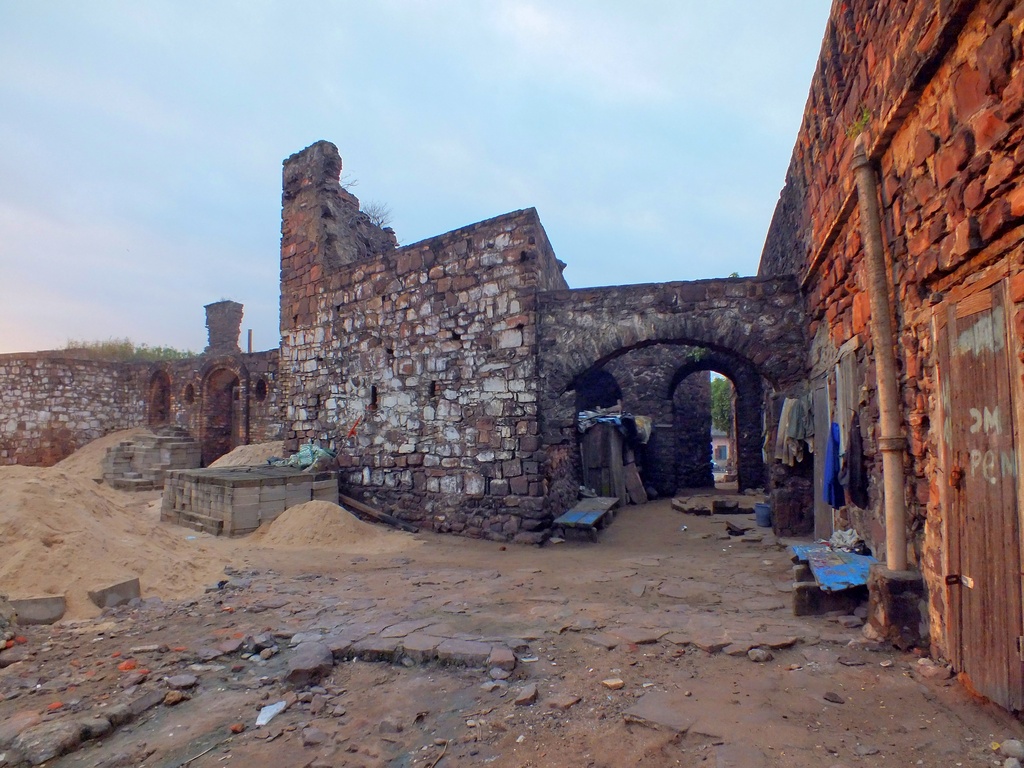
British Fort Komenda (c) Remo Kurka
Consultancy & Supervision: GH¢1.7M+Tenders show GH¢1,697,487 spent just on planning and supervision—awarded in 2022 under GTDP. Add design and architectural fees (estimated GH¢2–3M from similar MoTAC projects), and you’ve got a consultancy buffet.
Reports, site visits, and photo-op polish soaked up millions. A solo consultant could’ve scoped the site in a week for a fraction—but instead, it was full teams, full minibuses, and full per diems.
Environmental & Social Mitigation: GH¢199K
World Bank’s ESMP plan earmarked:
• GH¢124K for dust control, PPE, waste hauls, fences, extinguishers
• GH¢65K for operations (bins, community sensitization)
• GH¢10K pre-build setup
It’s “responsible” on paper, but smells like donor unlock fluff. Local crews could’ve done it for half. Instead, it’s box-ticking with imported gear and outsourced logistics.
 Equipment & Miscellaneous: GH¢2–3M
This includes new exhibits, AV gear, vehicles, and tools for GMMB oversight. No hard splits, but GTDP’s Component 2 funneled ~$18M across sites, with KNMP grabbing a sizable chunk for “modernization.”
Funding Source: GTDP Loan
No internally generated funds (IGF), no private partnerships. Just borrowed cash from the World Bank, executed by MoTAC. And while the park now earns GH¢1M/month in ticket sales, that’s post-spend. The debt’s already inked.
What Could’ve Been: Forts Left Behind
Even at GH¢30M, a lean private outfit could’ve delivered the same facelift for GH¢10–15M. That leaves GH¢15M for real impact—like stabilizing Komenda’s collapsing ramparts or sealing St. Jago’s leaking roofs.
Instead, it’s the same script:
• Perks and padded bids
• Elite tours in 5-star hotels
• Workshops with catered lunches
• Street vendors dodging traffic for sachet scraps
Nkrumah’s legacy shines in Accra for the cameras. But the forts that shaped Ghana’s colonial resistance? Still crumbling at the edges.
The Real Story Deserves a Spotlight
This isn’t just a budget critique—it’s a call for accountability. Ghana’s heritage deserves more than photo ops and donor theatrics. It needs real investment, real oversight, and real respect.
Headline for the archives:
“GH¢30M for a Park, GH¢0 for the Past: Why Ghana’s Forts Are Still Falling Apart”