Part 2: The Budget Black Hole and the GMMB Roadshow
10/15/2025
Part 2: The Budget Black Hole and the GMMB Roadshow
If you’ve ever wondered why Ghana’s lesser-known forts look like abandoned movie sets, follow the money. GMMB’s budget is stretched thin—but not evenly. The big two (Cape Coast and Elmina) get glossy audits, marketing muscle, and donor attention. The rest? Sporadic scraps.Take the July 2025 “strategic heritage assessment tour.” Acting Director-General Essel Kwesi Blankson and his entourage rolled through Central and Western Regions in a convoy-style blitz. Stops included Cape Coast, Elmina, and even Keta’s Fort Prinzenstein. But it was all photo ops and no shovels. No street kelewele for this crew—think ocean-view hotels well north of GHS 150 per night, with per diems stacking like cannonballs.
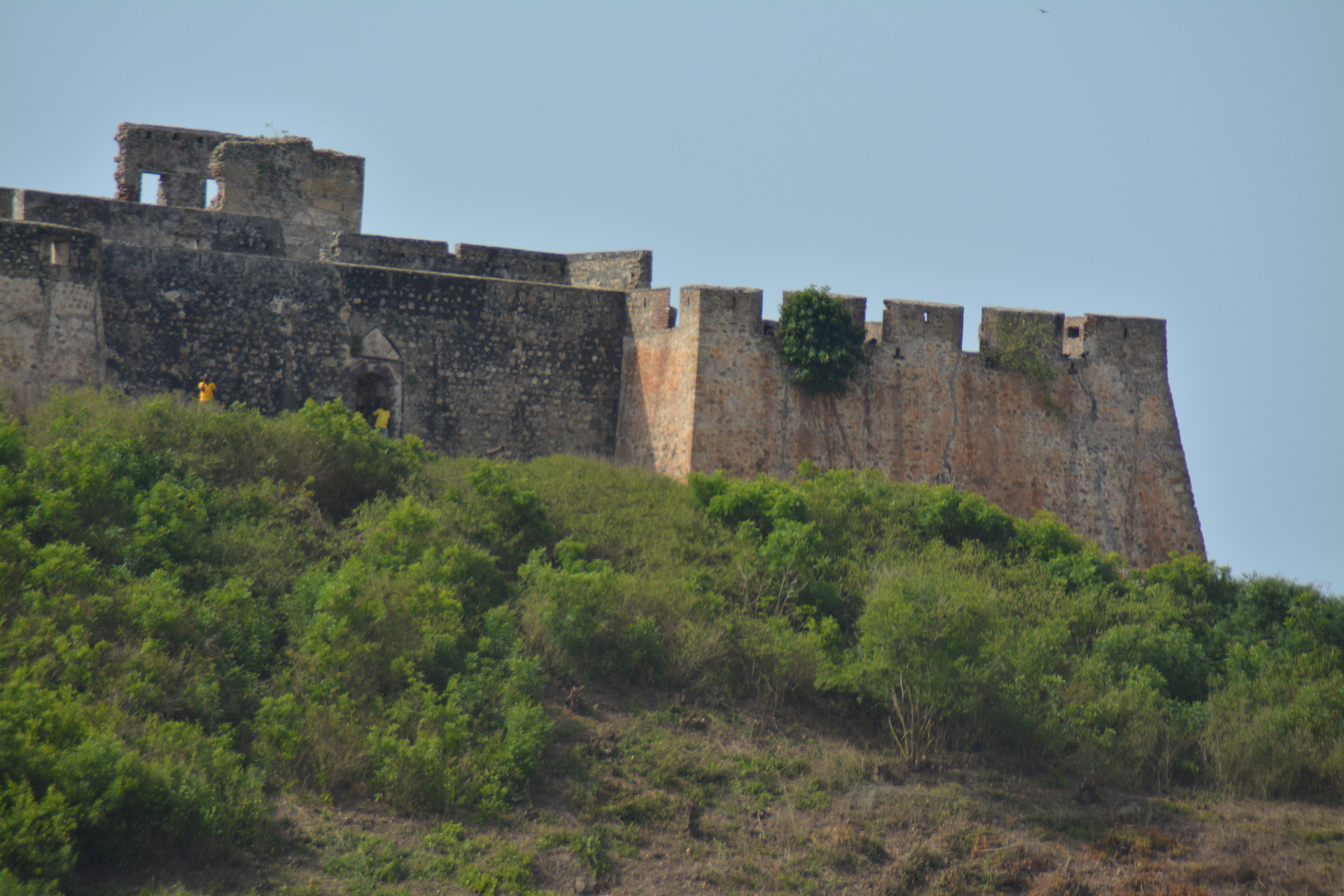
 Meanwhile, Fort William, located in the historic town of Anomabu, stands as a poignant testament to the past—a once-thriving hub for the slave trade that was later transformed into a British garrison. Today, however, this significant landmark has become overgrown and unstaffed, leading to a state of disrepair that has not gone unnoticed by the local community. Many residents refer to it as “abandoned and neglecting,” reflecting their deep concern for its condition. Visitors will find no organized tours to guide them through its storied history, nor any maintenance efforts to preserve its structural integrity. Instead, what remains are haunting cells that face the sea, coupled with a sprawling area that seems to cry out for attention—a captivating sight that begs for a skilled photographer equipped with a wide-angle lens to capture its haunting beauty. The stark contrast between its historical importance and its current state of neglect is evident, and the frustration felt by both locals and history enthusiasts alike is very palpable.
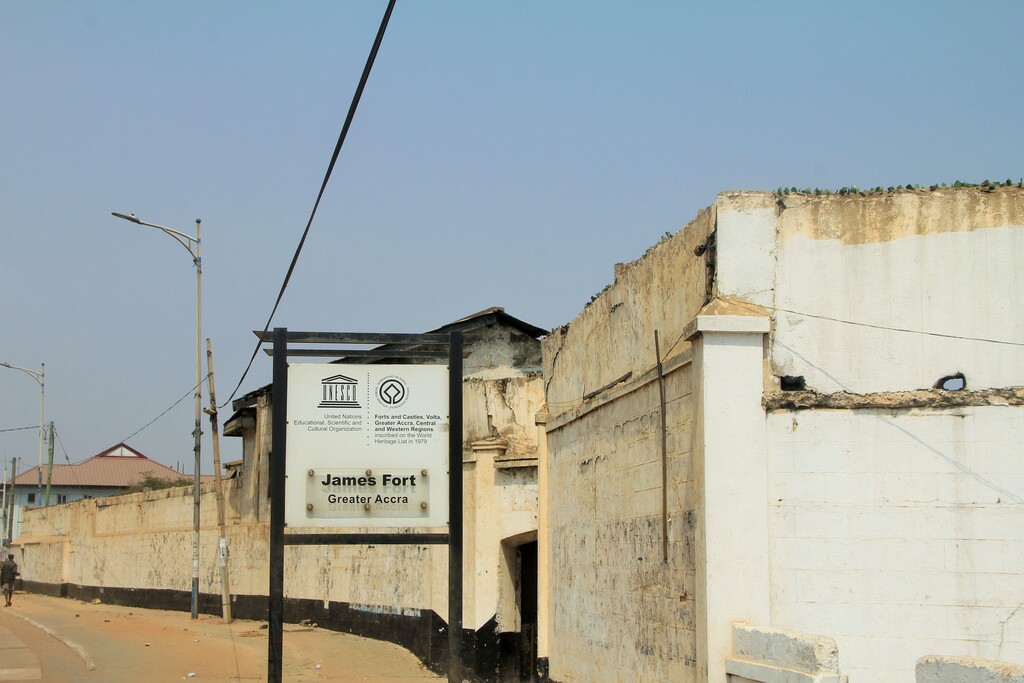
A UN World Heritage side. Fort James, Accra. On the brink of collapse. (c) Remo Kurka
Those so-called “access” tours? They're nothing more than a stage performance, devoid of genuine substance. Just imagine: a single week spent exploring on a motorbike can reveal more underlying issues and deterioration than a dozen convoluted committee convoys could ever hope to uncover. Yet, despite the lack of tangible results, the optics ultimately steal the show. While the foundational elements—such as essential upkeep, knowledgeable guides, and clear signage—are left to gather dust and cobwebs, the financial resources continue to swell, being redirected toward extravagant workshops and lavish catered conferences that do little to address the core problems.