Part 3: What’s Worth Saving—and Who’s Watching
10/15/2025
Part 3: What’s Worth Saving—and Who’s Watching
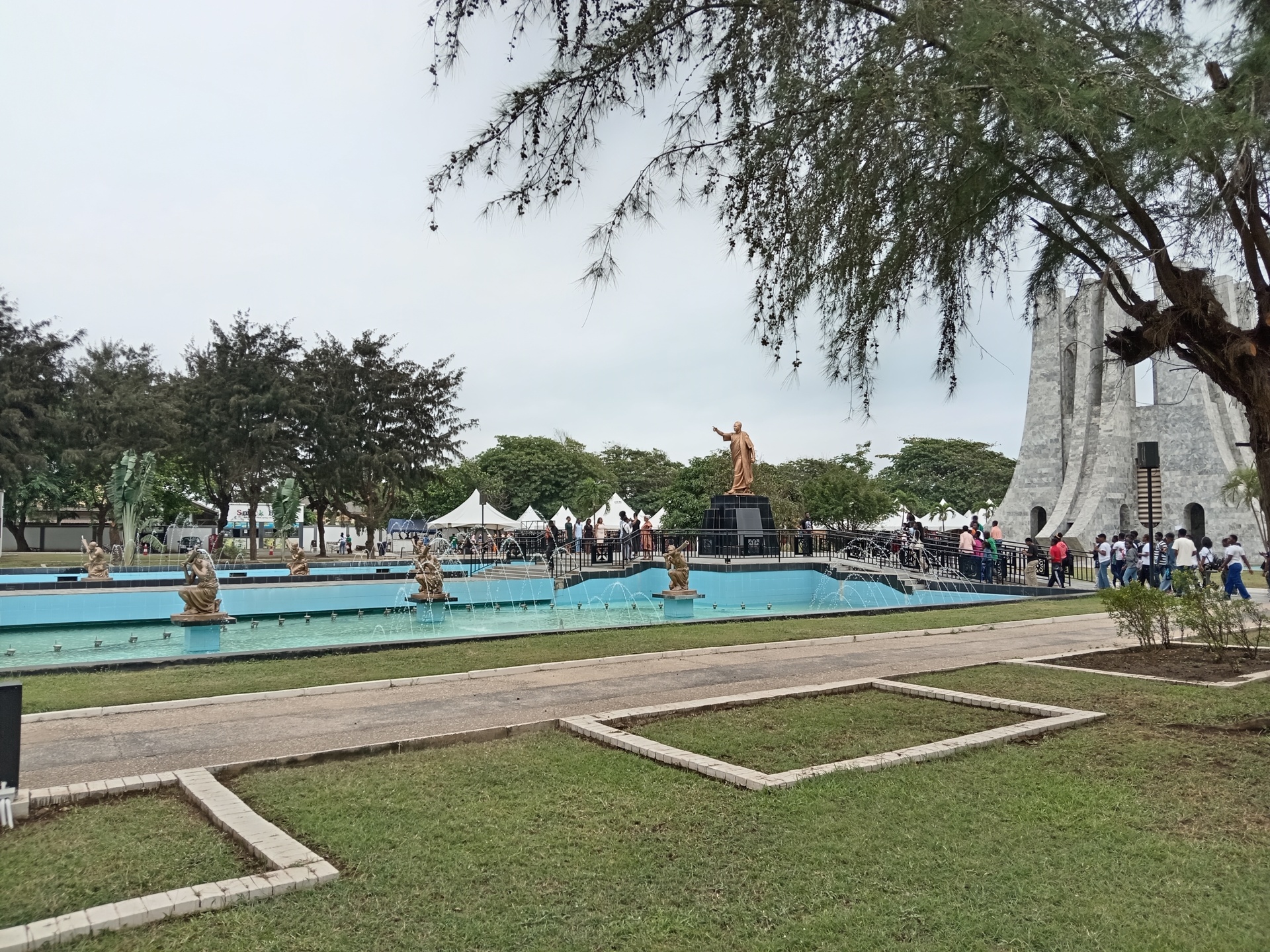
The recent reopening of the Kwame Nkrumah Memorial Park came as a delightful surprise to many and stands out as a rare triumph, largely attributed to a previous government’s significant direct investment. Unfortunately, this revitalization is more of an exception than the norm within the broader context of historical sites. Many of the forts, which hold immense cultural and historical significance, remain entrenched in what could be described as a “basics-only” operational mode. Here, staff from the Ghana Museums and Monuments Board (GMMB) seem to be focusing merely on the bare minimum requirements of maintenance and operations while reaping maximum benefits and perks.This so-called "good" simply does not meet the standards expected by today’s discerning visitors. A growing number of travelers, historians, and creatives are beginning to take notice of these discrepancies. As they explore the historic sides, we see innovative gimbals capturing sweeping views over colorful fishing boats alongside the weathered and crumbling bastions of history. The real stories of these places are being unveiled—not through polished press releases or marketing materials, but through genuine, raw footage and authentic firsthand accounts that convey the true essence of what these sites represent.
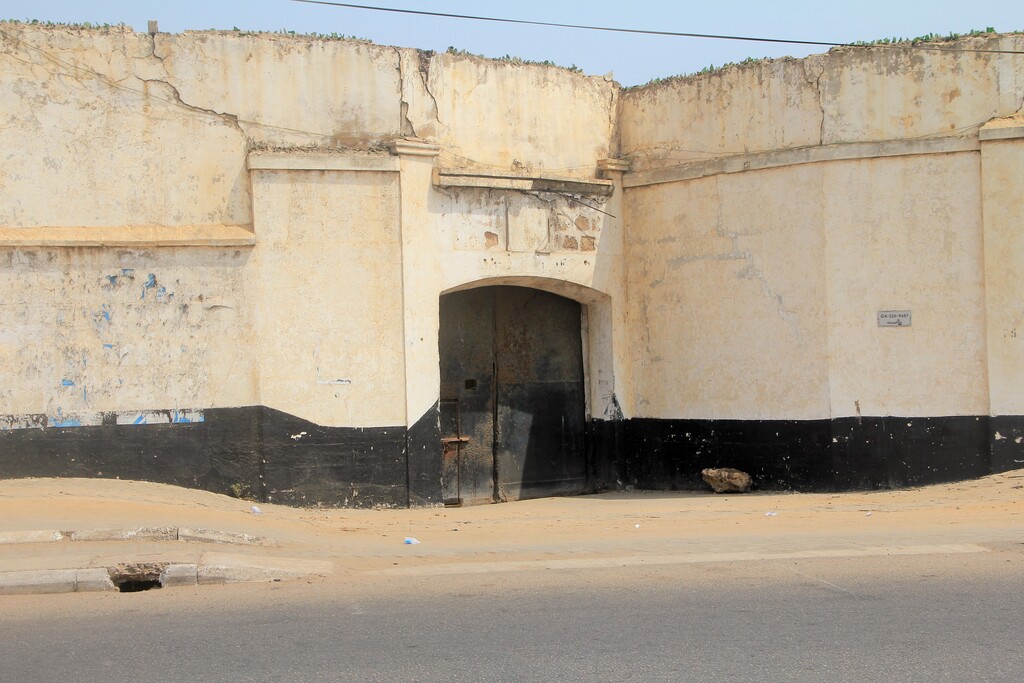
Fort James, James Tow, Accra. Left to crumble! Show Off Tours for the public are more important! (c) Remo Kurka
When considering the must-capture angle at Fort William, what comes to mind? Is it the hauntingly eerie slave-trade cells that ominously face the sea, evoking a deep sense of history and reflection? Or perhaps it’s the expansive wide shot that showcases its neglected sprawl, telling a story of time and decay? Maybe the answer lies in capturing both perspectives. The act of documenting these significant sites goes far beyond mere tourism; it embodies a sense of accountability and responsibility to acknowledge and reflect on the past. Each photograph and narrative serves as a reminder of the historical events that shaped this location, urging us to confront the truths of our history while also preserving it for future generations.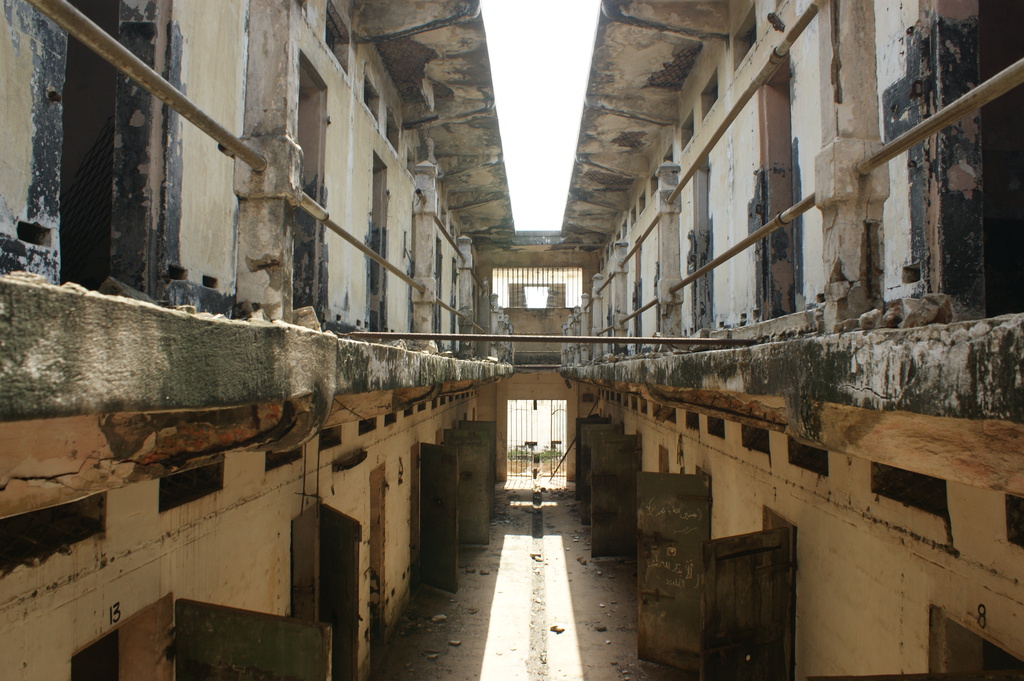
Fort Ussher, Ussher Town, Accra. Having a massive tourism potential, left to crumble! (c) Remo Kurka
Documenting historical sites is so much more than simply promoting tourism; it carries a profound responsibility for accountability. These locations hold stories and lessons that are crucial for understanding our past, and with that understanding comes the opportunity to reflect on our present and future actions.Perhaps, it is time to explore a new approach to heritage through a podcast that dives deep into these themes. We could title it: Critical Thinking Between Top AI and Ideas of Men. This podcast would invite listeners to engage in conversations inspired by the wisdom of centuries-old forts and the narratives they embody. Are we truly paying attention to what these silent witnesses have to tell us? Let’s embark on this journey of discovery together.