Restaurants, Red Carpets and Ruins: Ghana’s Tourism Glow-Up While History Crumbles
Restaurants, Red Carpets and Ruins: Ghana’s Tourism Glow-Up While History Crumbles - By TravelNews Ghana-Net
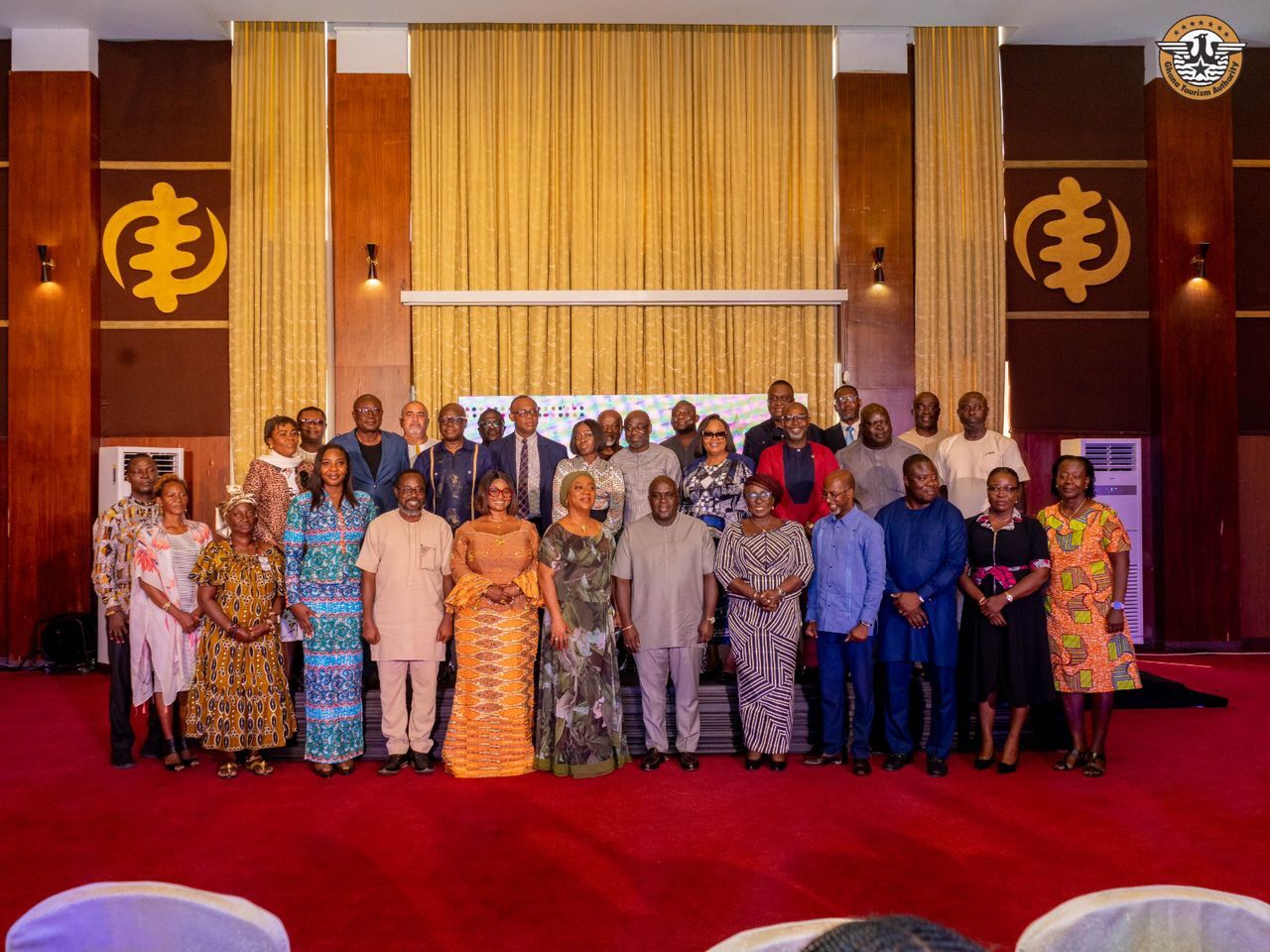
Header photo [(c) official Ghana Tourism Authority photo]
On 13 October 2025, the December in GH 2025 campaign was unveiled at the Banquet Hall of the Jubilee House in Accra, with ministers, creatives and diplomatic guests dining, smiling and celebrating national aspirations. ghana.travel+2MyJoyOnline+2
The message was clear: Ghana aims to be “Africa’s gateway for cultural and experiential tourism.” The Ghana Report+1
Yet just miles away, in towns and along the coast, the physical monuments of that very culture—stone fortresses, castles, historical cemeteries—are quietly disintegrating.
Take the once-proud outpost at Fort Vernon (aka “Fort Prampram”), built in 1742 by the Royal African Company, then rebuilt by the British in 1806, only to be finally abandoned in 1844. What remains now are cracked coral-stone walls, half-swallowed by sand and sea at Prampram.
Or look at the list: Fort Prinzenstein in Keta, Teshie Fort in Greater Accra, the 1824 War Cemetery in Cape Coast, Ussher Fort, James Fort—all major historic landmarks, all under threat of erosion, neglect, or worse.
While Ghana’s tourism machine gears up for splashy festivals, global branding and creative-economy hubris, the sitting Minister and Tourism Authority CEO promise “world-class visitor experiences,” “job creation” and “destination excellence.” The Herald ghana+1
But where is the equivalent promise for heritage preservation? Where is the urgent intervention for the walls that once stood, the voices they silenced, the stories they hold?
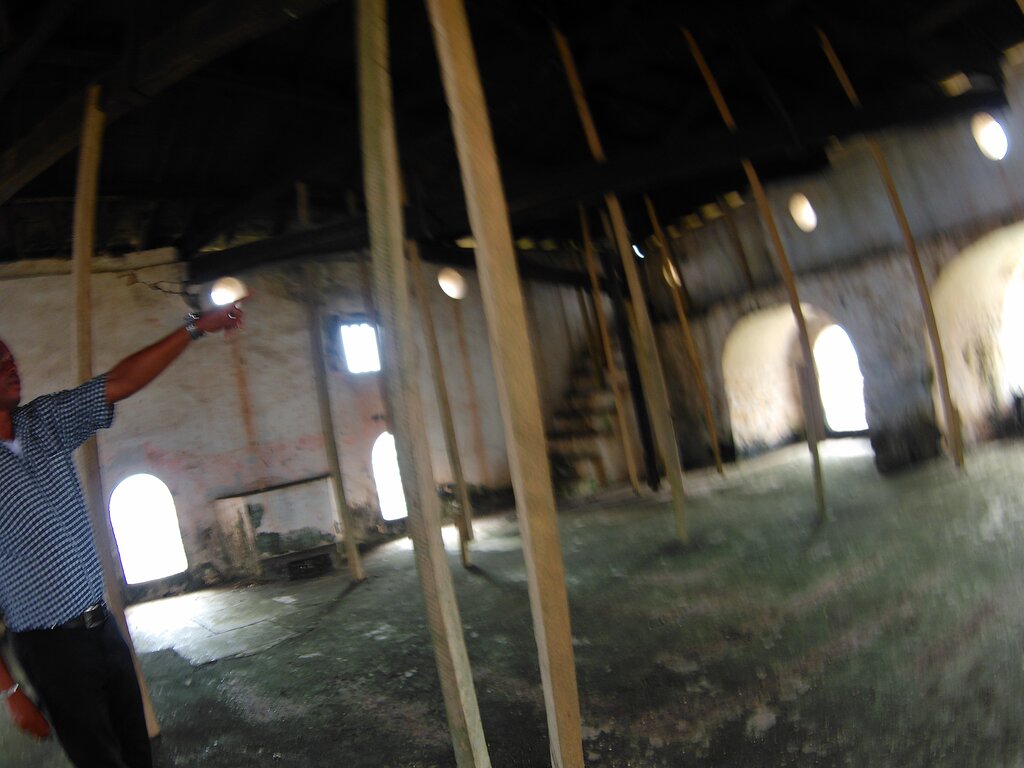
Dutch Upper Fort Fort St Jago, Elmina. Just one example of crumbling history under the watch of Ghana Tourism Authority and GMMB (c) Remo Kurka 2025
It’s one thing to tout concerts, fashion shows, culinary tours and foreign visitors descending; it’s quite another to ensure that the country’s physical heritage survives long enough for those visitors to even see it. Because the Caribbean slave fort in Ghana is not a “photo-op” if it has collapsed into the sea.
The mismatch is stark: celebratory audience versus fading monument. Officials toast to growth, branding and vibrancy — while the coral-stone ramparts crumble, the tide laps at foundations, and no meaningful national narrative is being preserved.
If the government truly means to engage the diaspora, heritage tourists and global audiences with “authentic Ghanaian stories,” then ceremony alone won’t suffice. The priorities must shift: allocate real funding, enforce maintenance and conservation, integrate historic preservation into the tourism strategy rather than let it become collateral damage of festivals.
A Final Reflection
Until then, Ghana may succeed in selling “Detty December” vibes, late-night concerts and shiny event calendars—but it will fail when the last stones of these forts vanish. Because when heritage disappears, so does authenticity, depth and the raw, honest stories that make a destination more than hype.
In the grand inaugural gala of December in GH, the cameras flash, the music plays, the guests applaud. Meanwhile, the silent fortresses watch from the dunes, waiting for someone—not just to celebrate them—but to save them.
Ghana-Net.com Website