Tanzania’s Crumbling Illusion of Stability: Tourism in the Shadow of Election Violence - The Illusion of Stability — And the Cost of Violence
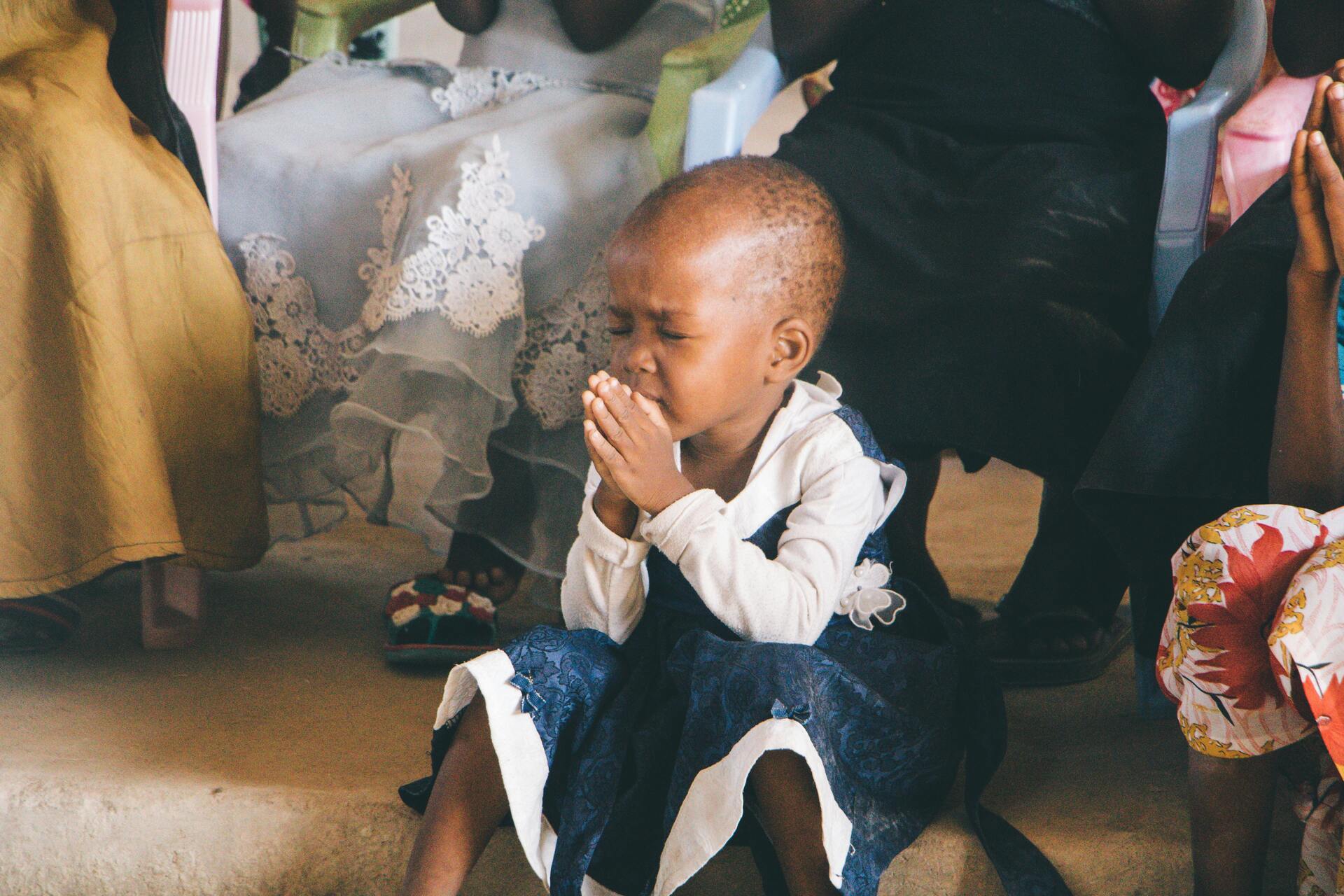
The Illusion of Stability — And the Cost of Violence - By GhanaWeb-News
Tanzania has long marketed itself as a land of natural wonders: vast savannas, iconic wildlife, pristine coastlines and an image of tranquil stability. After a record year for tourism, the country seemed poised to strengthen its position as one of Africa’s premier travel destinations.
But the aftermath of the October 2025 election shattered that illusion. Reports of widespread protests, a brutal security crackdown and a significant death toll fundamentally altered global perceptions of Tanzania. Claims by opposition groups and human-rights observers describe hundreds — possibly more — killed in post-election violence. Regardless of the exact figure, the sheer scale of the unrest undermines the country’s reputation as a peaceful travel hub.
This violence is not simply a domestic crisis. It reverberates globally, eroding trust among foreign governments, investors and, crucially, the tourism industry that Tanzania relies on.
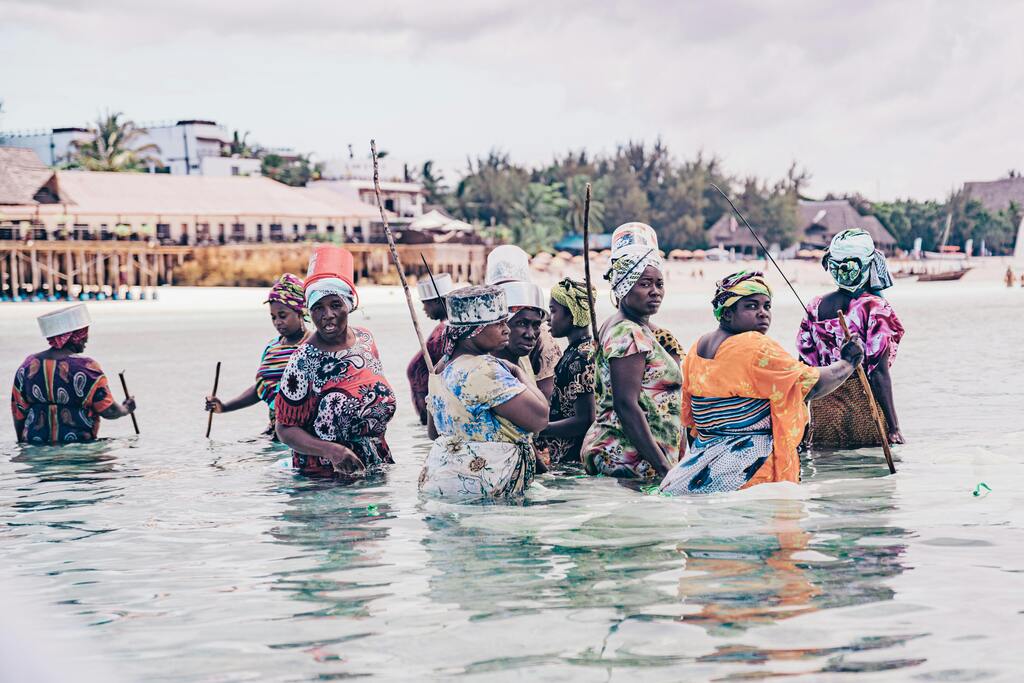
Fishing at a beach Tanzania, group of women fishing
When Paradise Becomes Politically Toxic — Tourism Suffers
Tourism is one of Tanzania’s economic pillars, supporting hundreds of thousands of jobs both directly and indirectly. Yet the election turmoil brought curfews, internet shutdowns, suspended transportation services, and a general climate of fear.
Hotels reported mass cancellations. Industry insiders described a steep fall in occupancy rates, some dropping below 30% during what should have been high season. International events were cancelled, bookings were withdrawn, and tourism operators reported disruptions that affected nearly half of their usual business.
Even though national parks and travel infrastructure remain technically open, perception is everything in tourism. A country associated with fear, violence or political instability quickly becomes a destination avoided by cautious travellers. Rebuilding that trust can take years — sometimes decades.
Economic Fragility and Over-reliance on Tourism
The situation exposes a fundamental weakness in Tanzania’s economic structure: a heavy dependence on a sector that is extremely vulnerable to global sentiment. Tourism can vanish virtually overnight when instability hits.
For countless Tanzanians — safari guides, hotel staff, drivers, artisans, small shop owners, food suppliers — tourism is not just a revenue source; it is survival. When political decisions threaten that industry, it is ordinary citizens who pay the highest price.
This crisis highlights the pressing need for economic diversification. No country seeking long-term stability should hinge so much of its economic future on a sector so sensitive to political shock.
Moral Bankruptcy: Can Beauty Excuse Repression?
The moral contradiction at the heart of Tanzania’s tourism model is now impossible to ignore. The same government institutions that promote breathtaking safaris and peaceful beaches are accused of violently suppressing dissent, detaining protesters and imposing digital blackouts.
Promoting tourism while engaging in political repression creates a disturbing ethical dilemma. Can foreign travellers continue to support an industry — however beautiful its landscapes — when its success rests on a foundation stained with the blood of citizens?
This conflict forces an uncomfortable question upon the international community: does enjoying a safari become an act of complicity in a system that silences and harms its people?
What Needs to Change — Beyond Reassurances
Government officials and tourism authorities have attempted to reassure visitors that everything has returned to normal. But genuine recovery — economic, political and moral — requires much more than optimistic statements.
Tanzania needs:
Independent investigations into the killings and abuses reported during the post-election crackdown.
Protection of civil rights, including freedom of speech and digital access.
Economic diversification to reduce the devastating ripple effects caused by tourism disruptions.
Consistent respect for democratic norms and rule of law to rebuild international confidence.
Without these actions, any stability regained will be superficial — a fragile illusion ready to collapse at the next political crisis.
The True Cost of “Postcard Tanzania”
Tanzania remains one of the most naturally beautiful countries on Earth. But beauty alone cannot sustain a nation whose politics are tainted by violence, repression and fear. The election unrest did not just wound the tourism industry — it exposed a deep, structural contradiction between the country’s image and its political reality.
For Tanzania to move forward, it must confront that contradiction openly. Until then, every tourist attraction — every beach, every lodge, every safari — risks being overshadowed by the unspoken suffering behind the scenes.
Sources
https://www.digitaljournal.com/world/tanzania-tourism-suffers-after-election-killings/article
https://indepthnews.net/tanzania-says-tourism-safe-unaffected-by-post-election-violence
https://www.tanzaniainvest.com/tourism/tourism-travel-advisory-november-2025