The Doers vs. The Photographers: Inside the Ghana Museums and Monuments Board (GMMB)
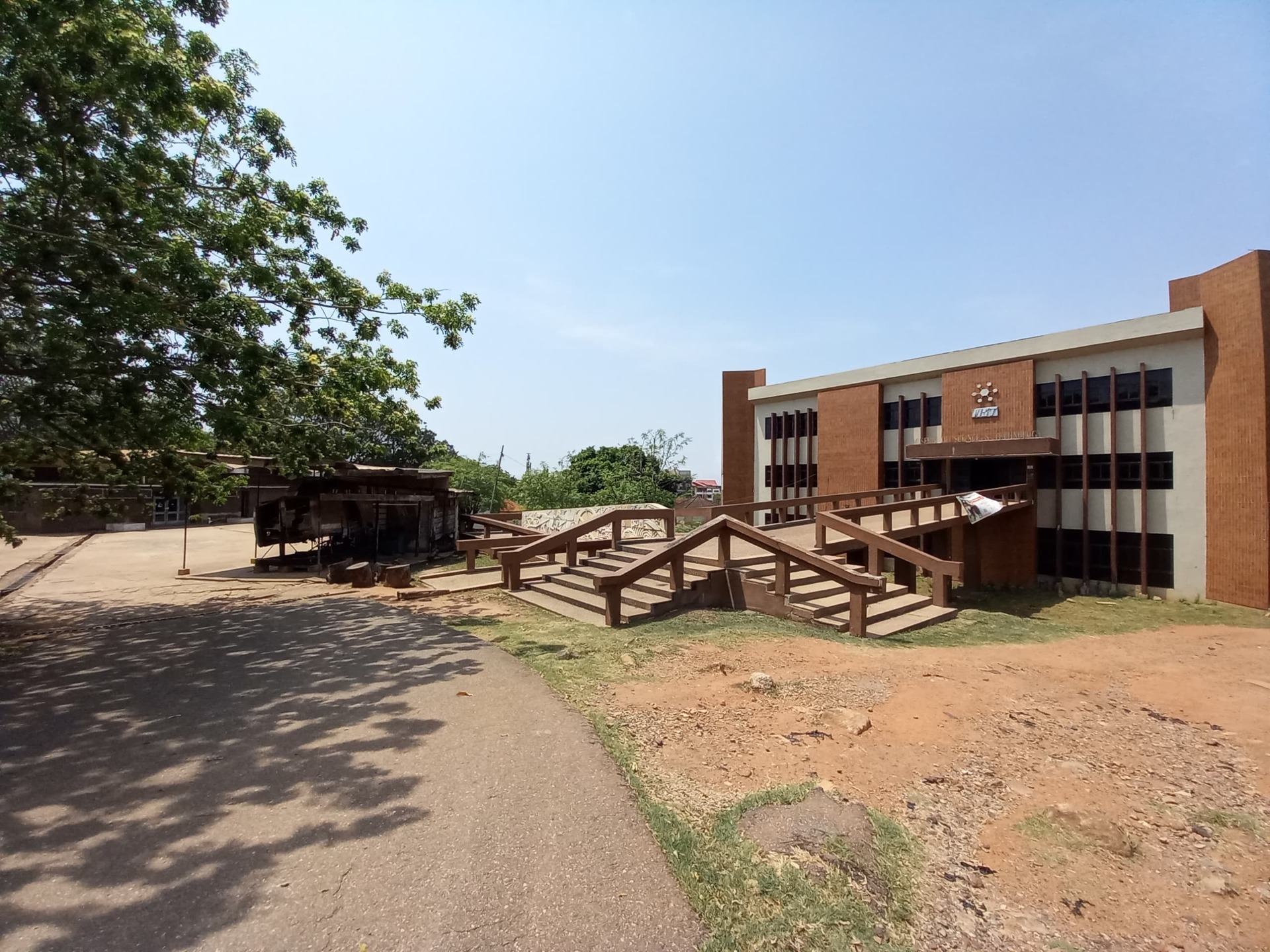
The Doers vs. The Photographers: Inside the Ghana Museums and Monuments Board (GMMB) - By TravelNews Ghana-Net
In the world of heritage and tourism in Ghana, there’s an often-unspoken divide inside the Ghana Museums and Monuments Board (GMMB). On one side: the ribbon-cutters, the “look-at-me” photographs, the polished launches—even a few who act like former U.S. presidents once visited them personally.
And then there are The Doers.
They’re the ones eating kenkey with fishermen in Elmina, sleeping on museum floors during renovations, climbing into slave dungeons to document decay, or — as we speak — patching mud walls around a 17th-century mosque in Bolgatanga before the next rainstorm. No social media teams. No hashtags. Just sweat, dust, and a stubborn belief that Ghana’s past is worth saving.
Without them, everything collapses.
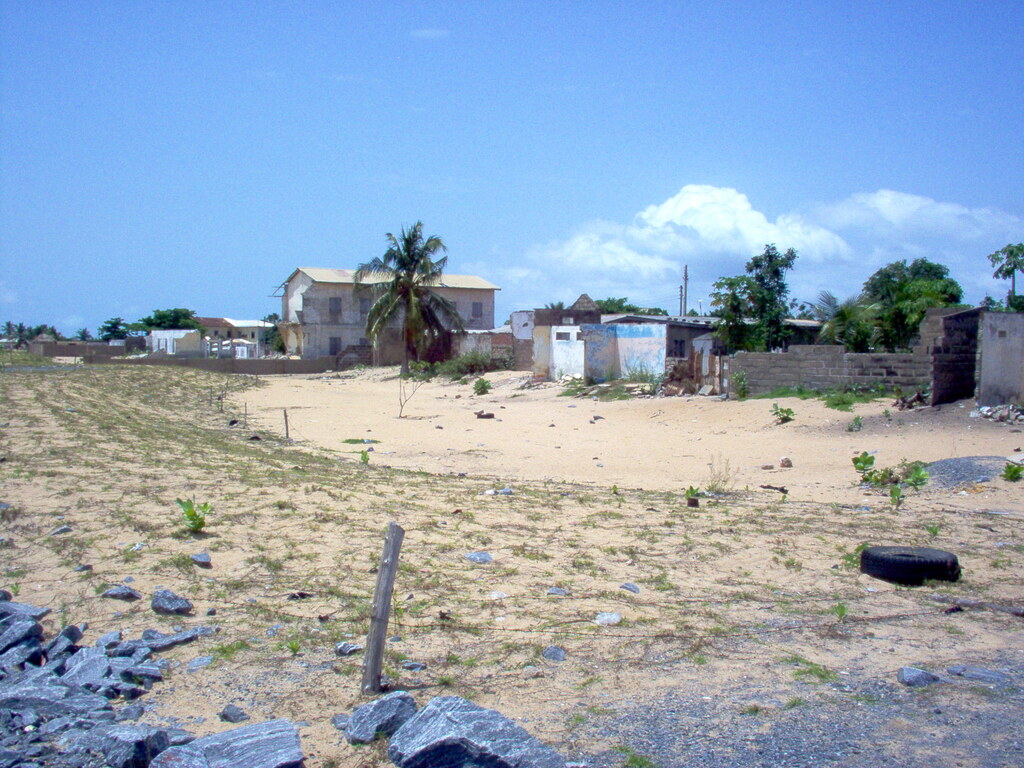
Fort Prinzenstein, Keta. Just one example of crumbling history under the watch of Ghana Tourism Authority and GMMB
The Roots: Why GMMB Exists
When Ghana gained independence in 1957, one of the country’s first acts of self-definition was cultural. The new government merged two colonial-era bodies — the Interim Council of the National Museum of the Gold Coast and the Monuments and Relics Commission — to form the Ghana Museums and Monuments Board.
Its mission was simple, ambitious, and radical for its time:
“To acquire, protect, conserve and document the nation’s movable and immovable material cultural heritage.”
That covers everything from the castles of the coast to the mosques of the north, from Asante traditional buildings to colonial forts, and from ceremonial stools to scientific artefacts that tell Ghana’s story of innovation.
But as decades passed, funding shrank, bureaucracy thickened, and the space between policy and practice widened. What remained were the people — the ones who actually do the work, often with next to no budget.
Meet the Doers
Take Dr. Mahmood Malik Saako, the Director of the Museum Division and a field archaeologist.
He’s not the kind who waits for a press release. He’s the one who drove out to Fort Prinzenstein in Keta, sleeves rolled up, working with local crews to document the site’s decay. He shares meals with residents, listens to their stories, and brings history out of the archive and back into the community.
Then there’s his work at the Museum of Science and Technology in Accra. For years, it was stuck in a crumbling building — ignored, underfunded, a ghost of Ghana’s technological history. Under his leadership, it relocated to a new home at the Olare facility. It’s still a work in progress: the lighting’s uneven, the displays are modest. But for the first time in years, it’s alive — buzzing with schoolchildren, teachers, and curious minds discovering that Ghana has a deep scientific heritage worth knowing.
That’s what “doing” looks like. No VIPs. No cameras. Just progress.
The Heritage Crisis
Walk through Ghana’s museums or monuments and you’ll see the challenge.
Many are fragile, some are crumbling, and a few are barely holding on. Climate change, salt air, termites, neglect — the threats are relentless. The GMMB itself has acknowledged that chronic underfunding is crippling its core mission. Staff shortages, obsolete laws, and delayed maintenance compound the problem.
Even as Ghana markets itself as a tourism hub, its heritage infrastructure often tells another story — of dedication starved by bureaucracy.
That’s why the Doers matter.
They’re the ones improvising with limited resources, training volunteers, and using local knowledge to save what’s left.
The Hope: Heritage as a Living Pulse
Despite everything, there’s reason to believe things can turn around.
Community ownership: More regional sites now work directly with local leaders and artisans. When communities see monuments as theirs, preservation becomes a shared duty.
Education access: Free admission for students on International Museum Day in 2025 drew thousands of young Ghanaians — proof that heritage can still inspire.
Revitalization projects: From the reopened National Museum of Ghana in Accra to digitization drives in regional museums, there are sparks of revival.
Vision over vanity: When the focus shifts from photo ops to purpose, real change begins. Ghana’s story deserves both the storytellers and the workers keeping the walls from falling.
So, Who’s With Me?
If you care about Ghana’s past — its forts, its artefacts, its fading stories — start talking about the ones who don’t get the spotlight.
Next time you visit a GMMB site:
Ask who maintains it. Ask how they’re funded. Ask what they need. Then write about them, photograph them, support them.
Because heritage doesn’t preserve itself. People do.
And in Ghana, the Doers are still doing — quietly, urgently, without applause.
The least we can do is notice.
Because at the heart of Ghana’s heritage are the doers—not just the photographers.
Sources
* Ghana Museums and Monuments Board – About Us
https://gmmb.gov.gh/about-us/
* Ghana Museums and Monuments Board – Museums Division & Regional Museums
https://gmmb.gov.gh/museums/
* Ghana Museums and Monuments Board – Management Profiles
https://gmmb.gov.gh/management/
* GBC Ghana Online – GMMB laments lack of funding for heritage preservation (2024)
https://www.gbcghanaonline.com/science-environment/museums-ghana/2024/
* UEW – Joint Press Statement: International Museums Day 2025
https://www.uew.edu.gh/sites/default/files/2025-05/
* Citi Newsroom – Ghana’s historic sites face climate change destruction (2023)
https://citinewsroom.com/2023/03/ghanas-historic-sites-face-climate-change-destruction/
* Asaase Radio – National Museum sees 10,000 visitors in one month (2022)
https://asaaseradio.com/national-museum-sees-10-000-visitors-in-one-month/
* Ghanamma – GMMB marks International Museum Day with free access for students (2025)
https://www.ghanamma.com/2025/05/19/ghana-museums-and-monuments-board-marks-international-museum-day-with-free-access-for-students/