**The Osu Castle Reenactment of June 19, 2026: Powerful Theater or Selective Narrative?
A Moment of Global Attention
The author is married to a Ghanaian and has been traveling to Ghana for over 25 years. He is the founder of the Ghana Net Com Network and a dedicated Pan-Africanist and free thinker. Remo Kurka is also a long-time photographer, having documented Ghana and other African countries for more than 25 years. His first website, ghana-net.com, has been online since December 2000.
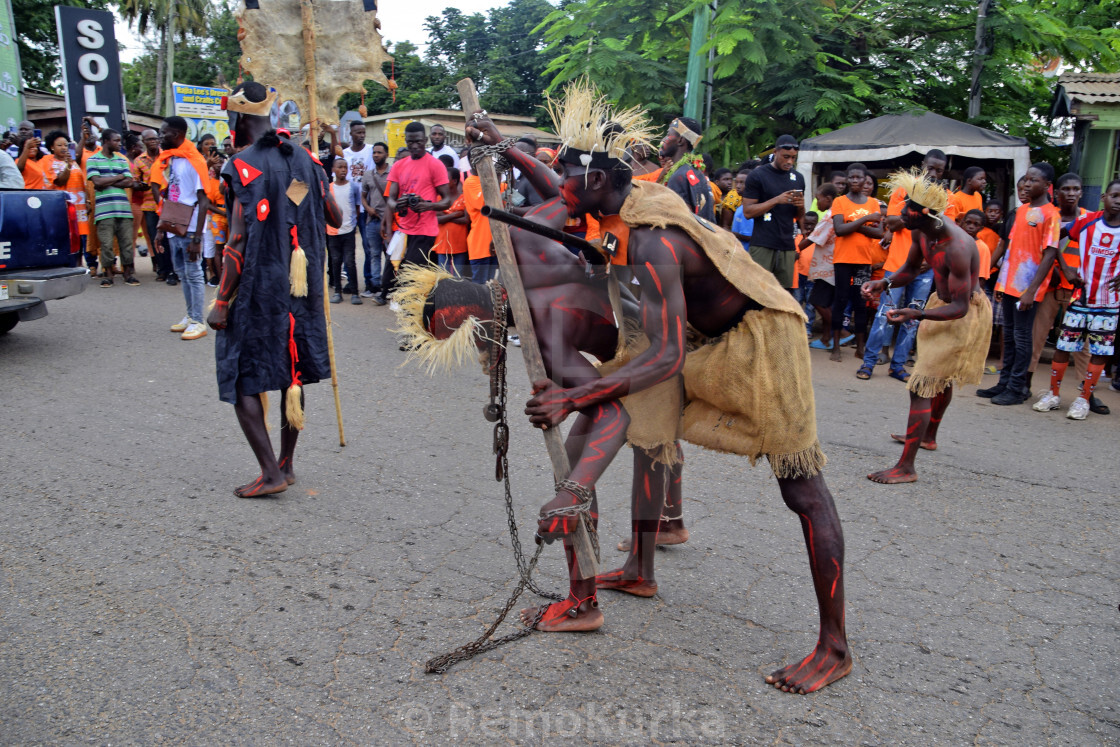
On June 19, 2026, Osu Castle (Christiansborg Castle) in Accra once again became the focal point of international attention. As part of the closing ceremony of the Global Reparatory Justice Conference (“The Next Steps Conference”), students from the University of Ghana staged a dramatic reenactment of the transatlantic slave trade.
Performed in front of President John Dramani Mahama, Caribbean leaders, diplomats, and global observers, the reenactment portrayed:
the capture of Africans
the suffering in the dungeons
family separations
and the final walk through the Door of No Return
The performance was emotional, visually powerful, and professionally executed. Many described it as a moving reminder of one of humanity’s darkest chapters.
But as someone who has documented Ghana’s castles, forts, and heritage sites for more than 25 years, I must ask:
Was this a full reckoning with history — or a selective narrative shaped for political theater?
Continue Reading🇬🇭 Ghana3d.com Gateway Experience 360
Explore The Full 🇬🇭 Gateway Experience 360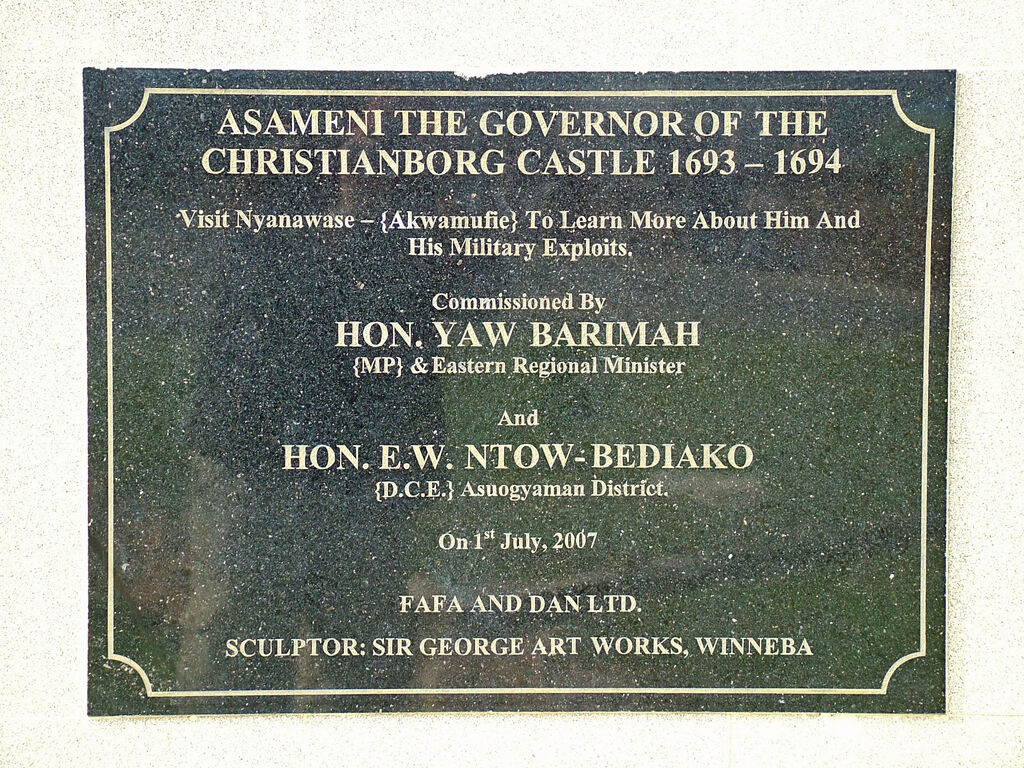
Asameni did the same as the Danes. trading slaves, over one year, from Osu castle! Why is that not in the books? (c) Remo Kurka
The Power and the Limits of Reenactment
Reenactments can educate, provoke reflection, and evoke empathy. Staging this performance at the actual site where Danish, British, and other European powers operated adds undeniable weight.
Yet the reenactment — based on available footage and reports — focused almost entirely on:
European brutality
African victimhood
and the horrors of the Middle Passage
This framing risks reducing a complex historical system into a simple moral binary:
innocent African victims vs. solely European perpetrators.
The real history of Osu Castle — and the wider Gold Coast — is far more complex.
The Forgotten Chapter: African Agency and Asameni’s Takeover
One of the most striking, yet rarely mentioned, episodes in the castle’s history is the story of Asameni (Asamani / Nana Asamani), an Akwamu royal and warrior.
In 1693, Asameni and his men:
disguised themselves as traders
infiltrated Christiansborg Castle
overpowered the Danish garrison
seized the castle
and held it for over a year (some accounts say up to 18 months)
Asameni even appointed himself “Governor”, wearing a Danish uniform.
During Akwamu control:
trade continued
including the slave trade
and Asameni profited from the existing networks
In 1694, he sold the castle back to the Danes for a large sum in gold — but famously kept the castle keys, which remain with the Akwamu stool to this day.
This episode shows:
African resistance
African agency
African participation
and African profit
all coexisting within the same historical system.
Yet modern commemorations often highlight only resistance, while minimizing or omitting African participation in the trade.
This selective memory weakens the integrity of historical education.
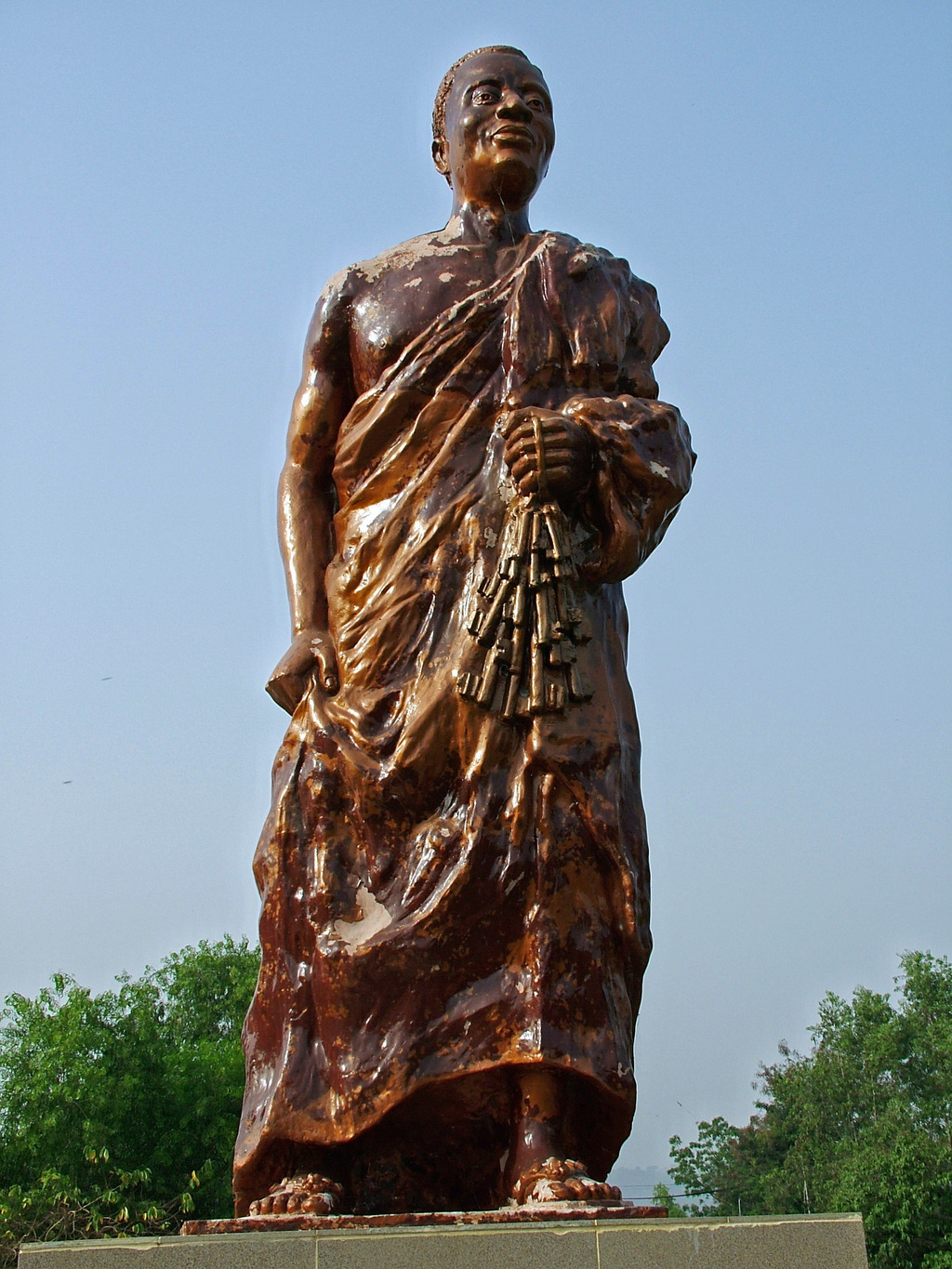
Asameni statue near his village, Volta region, Ghana (c) Remo Kurka
Reparations: Justice Requires the Full Truth
This one‑sided framing mirrors a broader issue in the current reparations debate.
European demand
African supply and complicity
the Arab slave trade
and modern governance failures that continue to harm ordinary citizens
Focusing solely on external guilt while ignoring internal agency turns remembrance into political performance rather than genuine historical reckoning.
True repair requires truth on all sides.
Why This Matters for Ghana‑Net
Events like the June 2026 conference generate renewed global interest in Ghana’s heritage sites. The recent visitor spikes across the Ghana‑Net network show that people — especially diaspora communities and researchers — are searching for deeper, more nuanced information beyond official narratives.
Our long‑standing documentation of:
castles
forts
museums
festivals
and Ghanaian history
aims to provide exactly that: context without simplification.
Acknowledging the full story does not diminish the horrors of the slave trade. It honors the complexity of African history and strengthens calls for meaningful progress.
Toward Honest Dialogue
The Osu Castle reenactment was powerful and emotional. But it should be the beginning of a conversation — not the end.
Ghana and the wider African world deserve commemorations that:
celebrate resilience
honor the victims
and confront all chapters of history — including African agency, elite profiteering, and internal responsibility
Only through such honesty can we move beyond symbolic theater toward real understanding, accountability, and repair that benefits future generations.
Your Thoughts?
This debate is far from over. Comments, perspectives, and contributions are welcome.
For more on Osu Castle, Cape Coast, and the broader reparations discussion, explore related articles across the Ghana‑Net Network.
Reparations, History, and Responsibility @ Afrivanindependence.comReparations and Africa @ CapeCoastCastle.com🎧 Listen to the Podcast Version Available on Ghana‑Net.com