Why a Third Term for Ghana’s President is Unconstitutional – The Risks of Disregarding Democracy
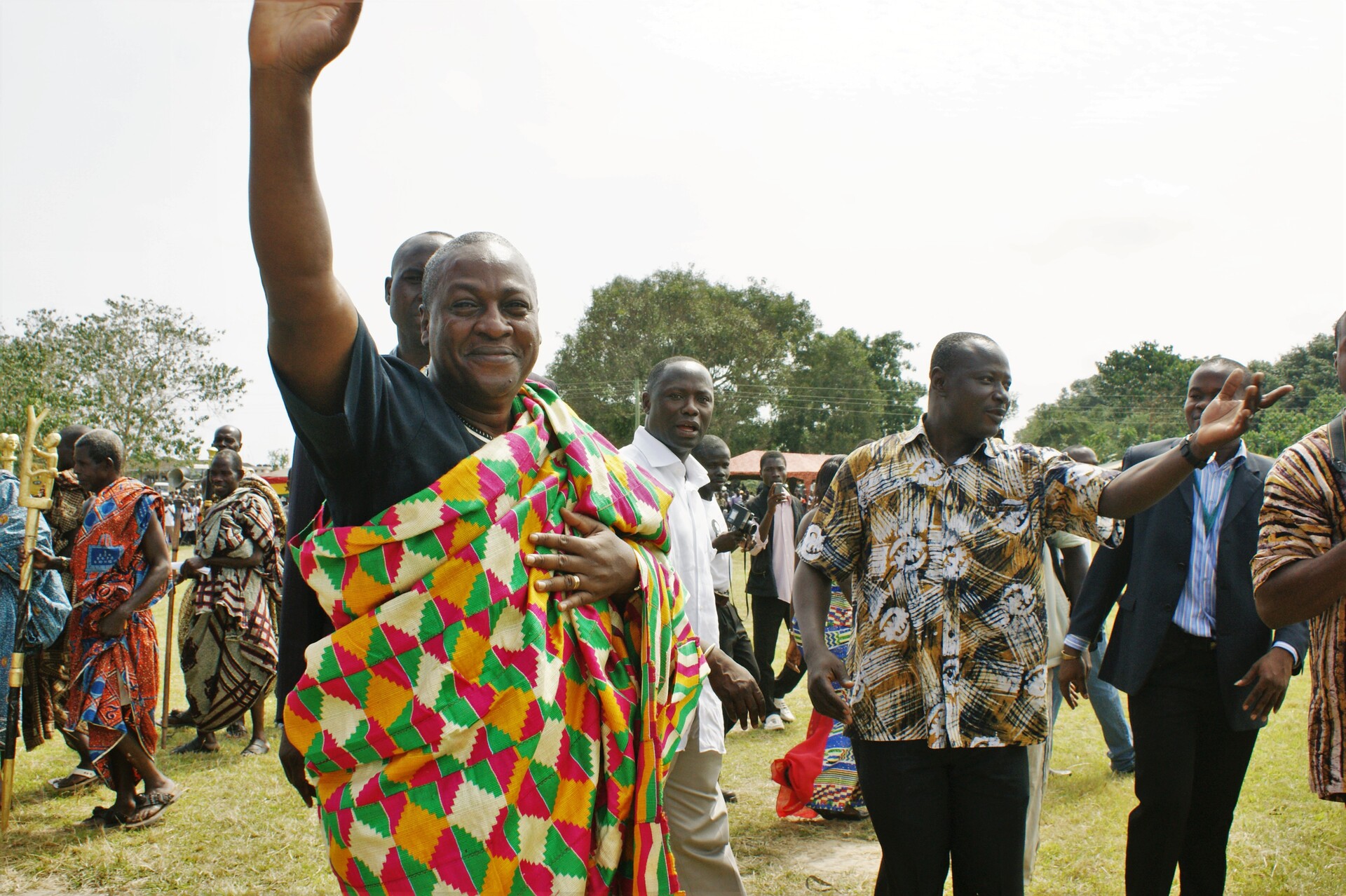
Why a Third Term for Ghana’s President is Unconstitutional – The Risks of Disregarding Democracy - By GhanaWeb-News
Recent discussions surrounding former President John Dramani Mahama's potential bid for a third term have sparked heated debates in Ghana. While some political analysts and commentators entertain the idea of Mahama returning to office, others, including civil society groups, warn that such a move could destabilize the country and jeopardize its democratic principles.
Ghana, regarded as one of the most stable democracies in West Africa, is governed by a set of constitutional rules that strictly limit presidential terms.
Under Ghana's 1992 Constitution, presidents are permitted to serve a maximum of two terms—four years per term—making a third term for any president, including Mahama, both illegal and practically impossible.
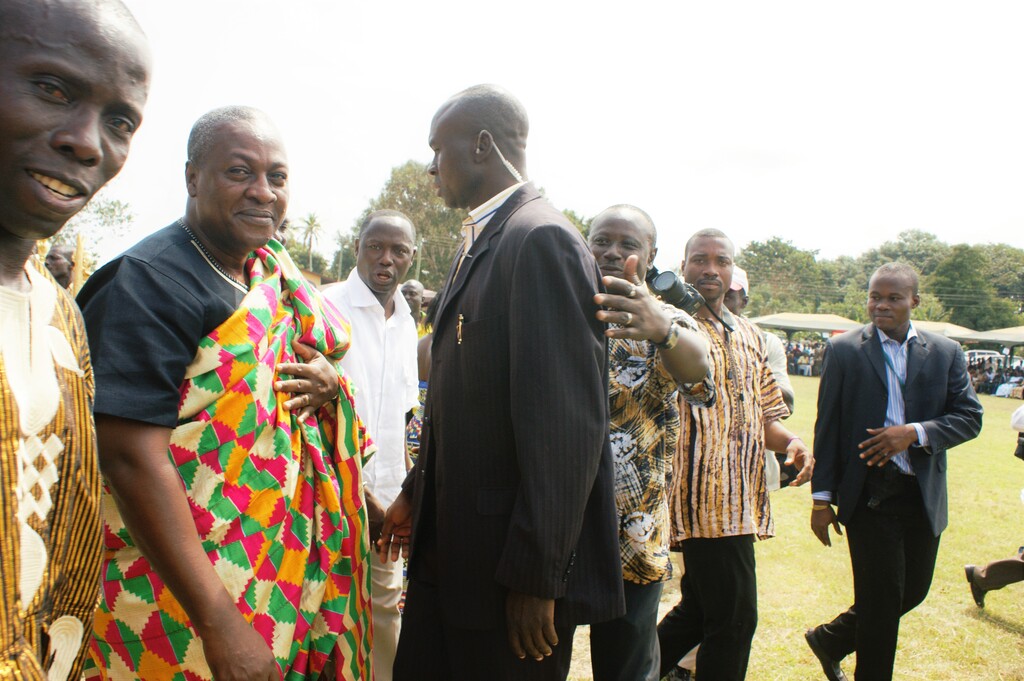
Mahama third-term agenda could spark military takeover in Ghana - ADAM-GH warns, file photo by (c) Remo Kurka
The Constitution’s Firm Stand Against Third-Terms
The cornerstone of Ghana’s political stability lies in its democratic framework, and the Constitution is its most vital instrument. Article 66 (1) clearly states that "the President shall hold office for a term of four years," and it is followed by a further stipulation that "no person shall hold office as President for more than two terms." This clause was put in place to prevent the centralization of power and to ensure regular leadership transitions.
The 1992 Constitution, which brought Ghana back to democratic rule after years of military governance, was designed with checks and balances to prevent autocracy. The term limits were specifically instituted to avoid the rise of dictatorial regimes. As such, even the mere consideration of a third presidential term is seen as a direct threat to the democratic order and could undermine the integrity of the Constitution.
Legal Implications of a Third-Term Bid
For Mahama or any other Ghanaian president to run for a third term, it would require an amendment to the Constitution. However, amending the Constitution is not a straightforward process. According to Article 290 of the 1992 Constitution, any proposal to amend the document must be approved by a two-thirds majority in Parliament, followed by a national referendum. Even if the ruling party were to push for such an amendment, it would face significant opposition in Parliament, where members from the opposition would likely block any such efforts, given the constitutional and democratic ramifications.
Therefore, as things stand, the possibility of a third term for any Ghanaian president is not just unlikely but effectively impossible within the current constitutional framework.
The Risk of Military Interference
In a recent warning by the Alliance for Development and Advocacy Movement (ADAM-GH), the idea of a third term for Mahama was linked to the potential for military intervention. While this may sound alarmist, the threat is not without historical precedent. Ghana has experienced several military coups in its past, and the possibility of undermining the Constitution could trigger civil unrest. If citizens and political factions perceive a move toward authoritarianism or the erosion of democratic processes, it could spark violent protests, and in the worst-case scenario, the military might intervene to restore order.
The military in Ghana has historically positioned itself as a defender of democratic order, and any perceived attempt to violate the Constitution could prompt a response to preserve the nation's democracy.
Public Sentiment and Political Stability
Beyond the legal and military considerations, there is also a matter of public sentiment. Ghanaians are proud of their democratic achievements, and the term limits have been a cornerstone of their political culture. In the aftermath of decades of military rule, Ghanaians are committed to the principles of free and fair elections and peaceful transitions of power. A push for a third term could alienate voters and undermine confidence in the electoral system, leading to a deepening political crisis.
Furthermore, the Ghanaian electorate, which is increasingly engaged and politically aware, is unlikely to accept any attempts to extend presidential tenure beyond the constitutional limits. The country’s active civil society and vibrant media are likely to hold politicians accountable, making any unconstitutional attempts to alter the term limits a politically hazardous move.
Conclusion: Upholding Democracy
While political figures like Mahama have the right to seek election again after completing their two terms, a third presidential term is simply not possible under Ghana’s current legal framework. The country’s commitment to democratic principles and constitutional limits must be upheld to ensure that Ghana remains a beacon of democracy in Africa. Any attempt to disregard these principles could have severe consequences, not only destabilizing the political system but also jeopardizing the hard-won freedoms that Ghanaians hold dear.
In conclusion, the idea of a third term in Ghana is not just a legal impossibility but a threat to the country’s democratic stability. Ghana’s future must continue to be shaped by regular, peaceful transitions of power, ensuring that leadership is renewed through the will of the people, as enshrined in the Constitution.
Why This Matters
By framing the issue as both a legal and democratic concern, this article highlights the dangers of attempting to alter Ghana’s constitutional limits on presidential terms. It explains the legal framework, the potential for unrest, and the broader consequences of such a move, all while reinforcing the importance of upholding the democratic values that Ghana has long embraced.
Ghana-Net.com Website